Taurine Benefits: Does It Really Slow Aging?
Disclosure: This article may contain affiliate links. We may earn a small commission at no extra cost to you. This helps support our work in providing evidence-based wellness content.
Taurine Benefits: The Short Answer
Taurine benefits are real, but narrower than the "anti-aging miracle" headlines suggest. Taurine is a conditionally essential amino acid concentrated in your heart, brain, muscles, and eyes, with solid evidence for supporting exercise performance and heart-cell function. The viral claim that taurine slows aging, however, took a major hit in 2025 — so it is worth separating what is proven from what is still a hypothesis.
Bottom line: taurine is safe, cheap, and genuinely useful for exercise and cellular health, but the 2023 headline that it reverses aging is now contested — a 2025 NIH study found taurine does not reliably decline with age in humans.
Key takeaways:
- What it is: a conditionally essential amino acid your body makes and also gets from meat, fish, and shellfish.
- Best-supported benefits: modest gains in exercise endurance and recovery, plus a role in heart-muscle calcium regulation.
- The aging debate: a 2023 Science study extended lifespan in mice by about 10–12%; a 2025 NIH study in Science found taurine is an unreliable aging biomarker in humans.
- It is not an energy stimulant: the "energy" in energy drinks comes from caffeine and sugar, not taurine.
- Dose: studies use 500–6,000 mg/day; 1–3 g/day is the common, well-tolerated range.
What Is Taurine and What Does It Do?
Taurine is a conditionally essential amino acid — your body produces it, but under stress, illness, or a restricted diet you may benefit from getting more. Unlike the amino acids that build muscle protein (covered in our protein guide), taurine is not used to build proteins; instead it acts as a regulator inside cells.
It is most concentrated in the tissues that work hardest — the heart, brain, retina, and skeletal muscle. Its main jobs include:
- Regulating calcium inside heart and muscle cells, which supports steady contractions.
- Stabilizing cell membranes and acting as an antioxidant that buffers cellular stress.
- Forming bile salts that help you digest fats.
- Supporting nervous-system signaling as an inhibitory neuromodulator.
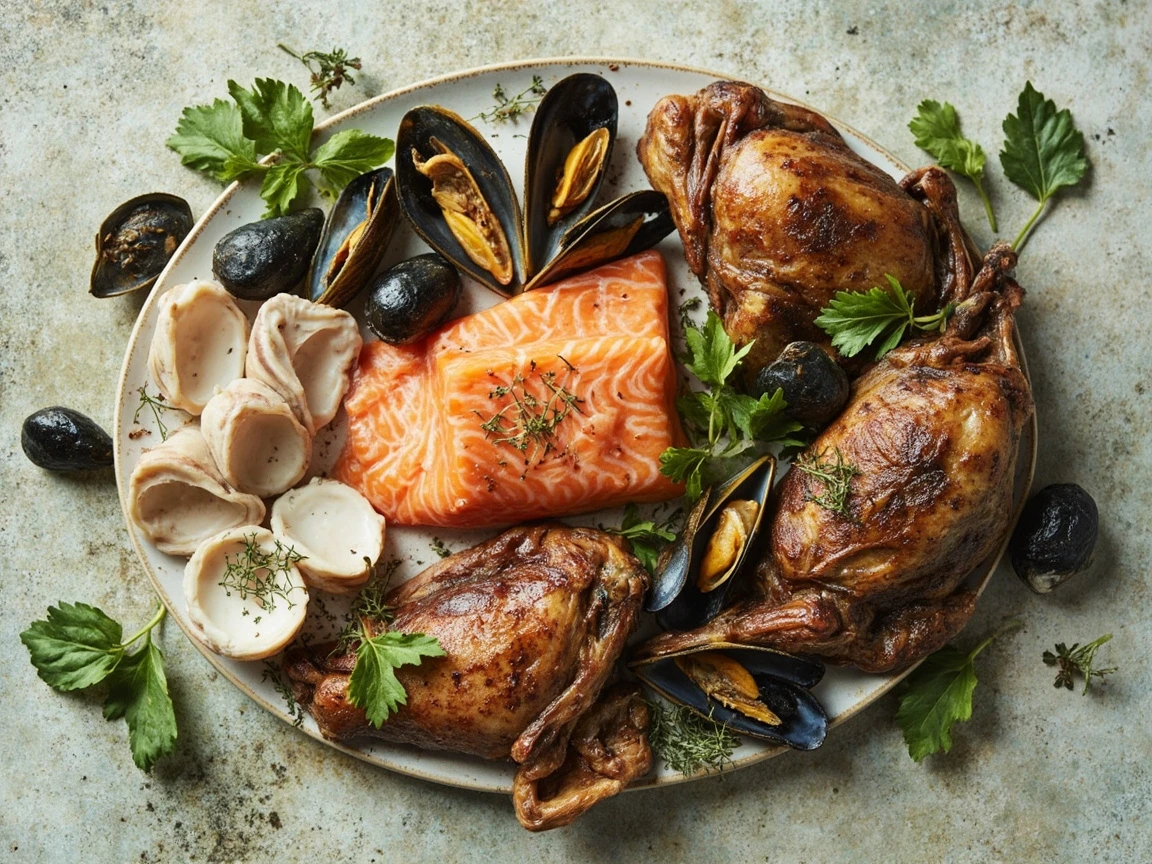
Dietary taurine comes almost entirely from animal foods — shellfish such as scallops and mussels, fish, and meat, especially dark poultry. That is why strict vegans have lower dietary intake and rely on the body's own synthesis, a relevant point if you are weighing a supplement.
Does Taurine Slow Aging? The 2023 Study vs the 2025 Rebuttal
This is the question that made taurine famous — and the honest answer is that the science just reversed course. Here is the full picture, because most articles tell you only half of it.
The 2023 case for taurine (Singh et al., Science): a landmark study led by Columbia University researchers found that taurine levels declined with age across several species, and that taurine supplementation extended median lifespan in mice by roughly 10–12% and improved healthspan markers in mice and middle-aged monkeys. Mechanistically, it reduced cellular senescence, DNA damage, and "inflammaging."
That animal data is genuinely impressive — but it is animal data. Even the original authors stressed that a human trial was needed before anyone could claim taurine extends human lifespan.
The 2025 rebuttal (de Cabo et al., Science, NIH National Institute on Aging): a large longitudinal analysis of humans, monkeys, and mice found that circulating taurine often stayed constant or even increased with age, and that variation between measurements in the same person exceeded age-related change. Their conclusion: taurine is unlikely to be a reliable biomarker of aging, which undercuts the premise that "taurine deficiency drives aging" in people.
Where that leaves us: taurine may still have real health benefits, but the specific "supplement it to slow aging" story is now unproven and actively contested. Treat longevity as a maybe, not a reason to buy.
What Are the Proven Benefits of Taurine?
Set the aging debate aside and taurine still has a respectable evidence base for a few specific uses:
- Exercise performance and recovery. Meta-analyses find that taurine, around 1–3 g before exercise, can modestly improve endurance and reduce markers of muscle damage and soreness. The effect is small but real, and it pairs logically with the fundamentals in our exercise guide.
- Heart health. By regulating calcium in cardiac cells, taurine supports healthy heart-muscle function; it is even used as an adjunct therapy for heart failure in some countries, and observational data link higher taurine to better cardiovascular markers.
- Metabolic markers. In human observational studies, higher taurine is associated with lower BMI, less abdominal fat, and lower inflammation (CRP) — associations, not proof of cause.
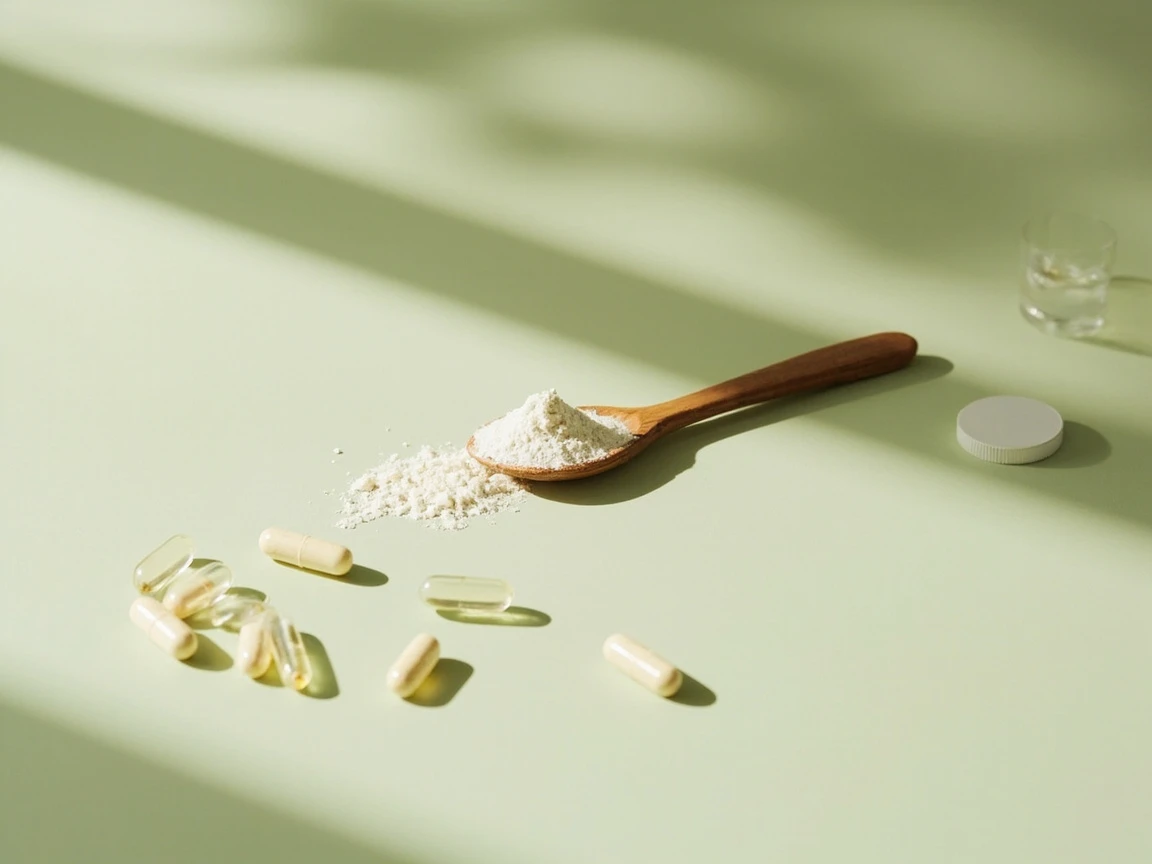
Think of taurine as a supporting-cast supplement with a good safety record, much like creatine or magnesium — useful for specific goals rather than a cure-all.
Does Taurine Give You Energy? Energy Drinks Explained
No — taurine is not a stimulant and does not directly give you energy. This is the single most common misconception, because taurine is a headline ingredient in energy drinks like Red Bull, at about 1,000 mg per can.
The "energy" from those drinks comes from caffeine and sugar, not taurine. Taurine is included for its cellular and cardiovascular roles, and some research suggests it may blunt a few of caffeine's downsides — but on its own it will not wake you up. For hydration and minerals, a plain electrolyte drink is a more honest tool than an energy drink, and a plain taurine supplement is the way to actually get taurine.
How Much Taurine Should You Take?
Taurine dosing is well studied and simple:
- Common dose: 1–3 grams per day, often as a single serving.
- Study range: trials have used 500 mg to 6,000 mg per day depending on the goal.
- For exercise: about 1–3 g taken 1–2 hours before training.
- Timing: flexible — taurine is not a stimulant, so it will not disrupt sleep and can be taken any time of day.
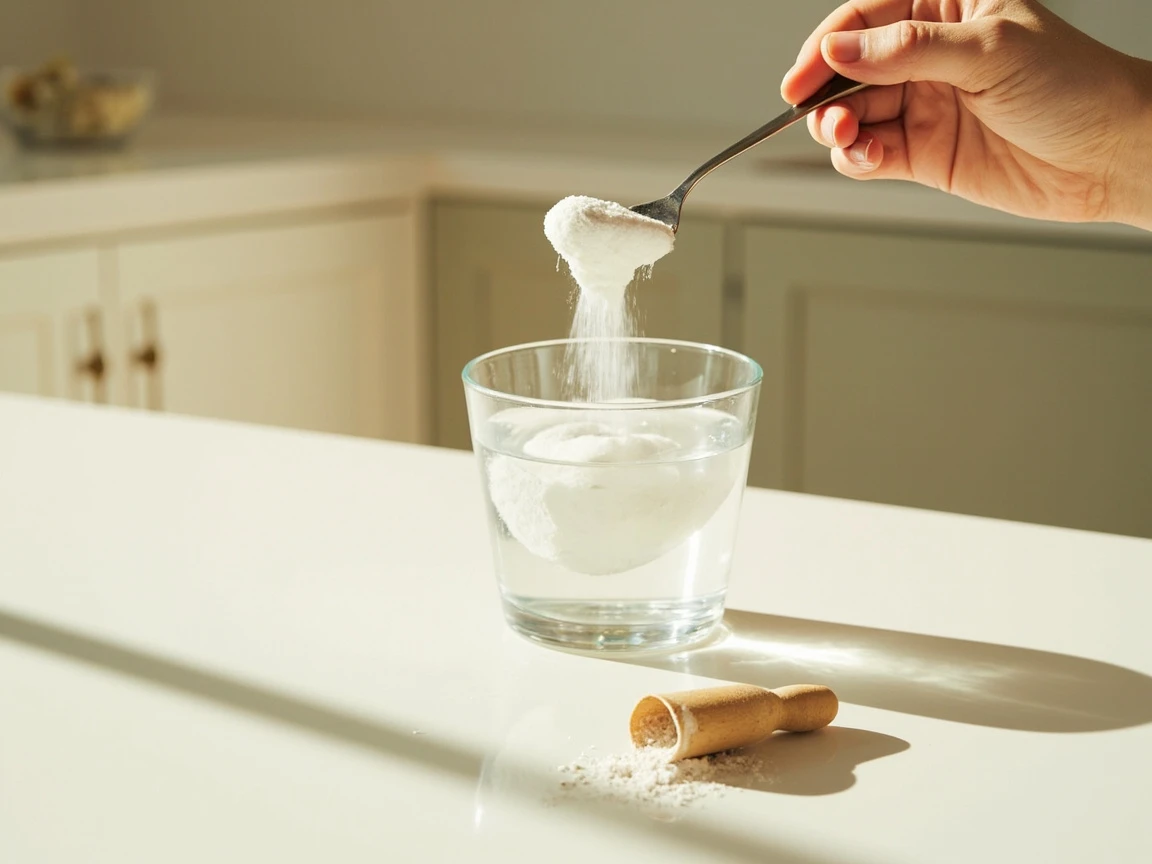
Taurine powder dissolves easily in water and is the cheapest way to hit a 1–3 g dose; capsules are more convenient, but you will need several to reach the same amount.
Which Taurine Supplement Should You Buy?
Taurine is a commodity supplement, so the priorities are simple: a pure, single-ingredient product and third-party testing so the label matches the tub. Powder is the value play; capsules are the convenience play.
How we chose these picks: selections are based on published label data — active ingredient per serving, cost per unit of active ingredient, third-party testing, and single-ingredient formulas over proprietary blends. We do not physically test supplements, accept free products, or publish star ratings we cannot verify. Affiliate commission never determines what is recommended. Read our full methodology.
- Pure single-ingredient taurine — easy to measure the studied 1–3 g dose
- Lowest cost per gram; dissolves cleanly in water
- Resealable pouch sizes from a month to a year-plus supply
As an Amazon Associate, we earn from qualifying purchases.
- 1,000 mg per capsule — take 1–3 to reach a typical daily dose
- No measuring or mixing; convenient for travel
- From an established GMP supplement manufacturer
As an Amazon Associate, we earn from qualifying purchases.
- Single-ingredient taurine powder, third-party tested for label accuracy
- A budget-friendly bulk option with a scoop included
- Unflavored — mixes into water or a pre-workout drink
As an Amazon Associate, we earn from qualifying purchases.
Is Taurine Safe? Side Effects
Taurine has an excellent safety profile. Your body produces it naturally, and studies report few side effects even at doses well above typical use; European regulators have concluded that supplemental intakes up to about 3 grams per day are of no safety concern. A few honest caveats:
- Pregnancy and breastfeeding: supplement-level data is limited — get taurine from food and check with your provider.
- Kidney disease or medications: if you have reduced kidney function or take heart or blood-pressure medication, ask your doctor first.
- Energy drinks are not the way to supplement: chasing taurine through energy drinks means over-consuming caffeine and sugar — take a plain supplement instead.
The Bottom Line
Taurine benefits are legitimate but specific: modest help for exercise endurance and recovery, a genuine role in heart-cell function, and a strong safety record at 1–3 grams a day. The viral "taurine slows aging" story is exciting animal science that a 2025 NIH study called into question for humans, so do not buy it for longevity alone. If you want a cheap, well-tolerated supplement for training and general cellular health, taurine earns a place — just keep your expectations tied to the evidence, not the headlines.
Taurine FAQ
Does taurine actually slow aging?
Not proven in humans. A 2023 Science study extended lifespan in mice by about 10–12%, but a 2025 NIH study in Science found taurine does not reliably decline with age in people and is an unreliable aging biomarker. Taurine may have real benefits, but "supplement it to slow aging" is currently unproven and contested.
What does taurine do in the body?
Taurine is a conditionally essential amino acid concentrated in the heart, brain, muscles, and eyes. It regulates calcium in heart and muscle cells, stabilizes cell membranes, acts as an antioxidant, helps form bile salts for fat digestion, and supports nervous-system signaling.
How much taurine should I take per day?
Most people use 1–3 grams per day. Studies range from 500 mg to 6,000 mg depending on the goal, and about 1–3 g taken 1–2 hours before exercise is common for performance. It is not a stimulant, so timing is flexible.
Does taurine give you energy?
No. Taurine is not a stimulant. The energy from energy drinks comes from caffeine and sugar, not the roughly 1,000 mg of taurine per can. Taurine is included for its cellular and heart-related roles, not for a caffeine-like buzz.
Is taurine safe to take every day?
Yes, for most healthy adults. Taurine is very well tolerated, and regulators consider supplemental intakes up to about 3 grams per day safe. Check with a doctor if you are pregnant, have kidney disease, or take heart or blood-pressure medication.
Is taurine better than creatine?
They do different things. Creatine has stronger, deeper evidence for strength and muscle; taurine offers smaller endurance and recovery benefits plus cellular and heart roles. They are complementary, and both have excellent safety records.
References
The aging evidence in this article — both the original claim and the challenge to it — rests on the following peer-reviewed sources:
- Taurine deficiency as a driver of aging — Science, 2023 (PubMed)
- Taurine as a biomarker for aging: A new avenue for translational research — Cell Reports Medicine (PubMed)
- Exploring Taurine's Potential in Alzheimer's Treatment: A Comprehensive Review — PMC

Founder & Editor
Xiujun Ma is the founder and editor of Home Wellness Science, where he researches and edits evidence-based guides on sleep, nutrition, supplements, air and water quality, fitness, and the home environment. His focus is translating peer-reviewed research into practical, no-hype guidance.
Related Articles