Creatine for Women: What the Science Actually Says
Disclosure: This article may contain affiliate links. We may earn a small commission at no extra cost to you. This helps support our work in providing evidence-based wellness content.
Should Women Take Creatine?
Creatine is the most-researched sports supplement on the planet — and for decades, almost all of that research was done on men. That left a strange gap: creatine for women got either ignored or buried under myths about "bulking up" and bloating. The science has finally caught up, and the picture is clear. Creatine is safe, effective, and in several ways more relevant for women than for men.
Here is the detail most articles skip: women store roughly 70–80% less creatine in their bodies than men and tend to eat less of it from food (it comes mostly from red meat and fish). Lower baseline stores may be exactly why several studies find women respond strongly to supplementation. A major 2025 review in the Journal of the International Society of Sports Nutrition mapped these benefits across the whole lifespan — from the menstrual years through pregnancy to menopause.
This guide covers what creatine actually does, the evidence for muscle, bone, and brain, the dose that works, and the myths worth retiring. If you want the cognitive angle in depth, we cover it separately in creatine for brain and cognitive performance.
What Does Creatine Actually Do in the Body?
Creatine isn't a stimulant, a hormone, or a steroid. It's a compound your body already makes (in the liver and kidneys) and stores mostly in muscle as phosphocreatine. Its job is to rapidly regenerate ATP — the cell's immediate energy currency — during short, hard efforts like lifting, sprinting, or climbing stairs with grocery bags.
More phosphocreatine means you can produce a little more force, squeeze out an extra rep or two, and recover faster between efforts. Over weeks, those small gains compound into measurably better strength and lean-muscle adaptations. The same energy system runs in your brain, which is why the cognitive and mood research is heating up — more on that below.
What Are the Benefits of Creatine for Women?
The strongest, most consistent evidence is for strength and lean mass. When creatine is paired with resistance training, women see greater gains in strength and muscle quality than training alone. This matters far beyond aesthetics: lean muscle is the engine of metabolism, glucose control, and independence as you age.
A few things to set expectations:
- Creatine is a multiplier, not a magic powder. It amplifies the work you put in. Without the training stimulus, the effect is small.
- The early scale change is mostly water — inside the muscle. A 1–2 lb bump in the first weeks is intramuscular water that supports the muscle cell, not fat and not the "puffy" bloat people fear.
- It pairs naturally with protein and recovery. Creatine works best alongside adequate protein and real recovery between sessions.
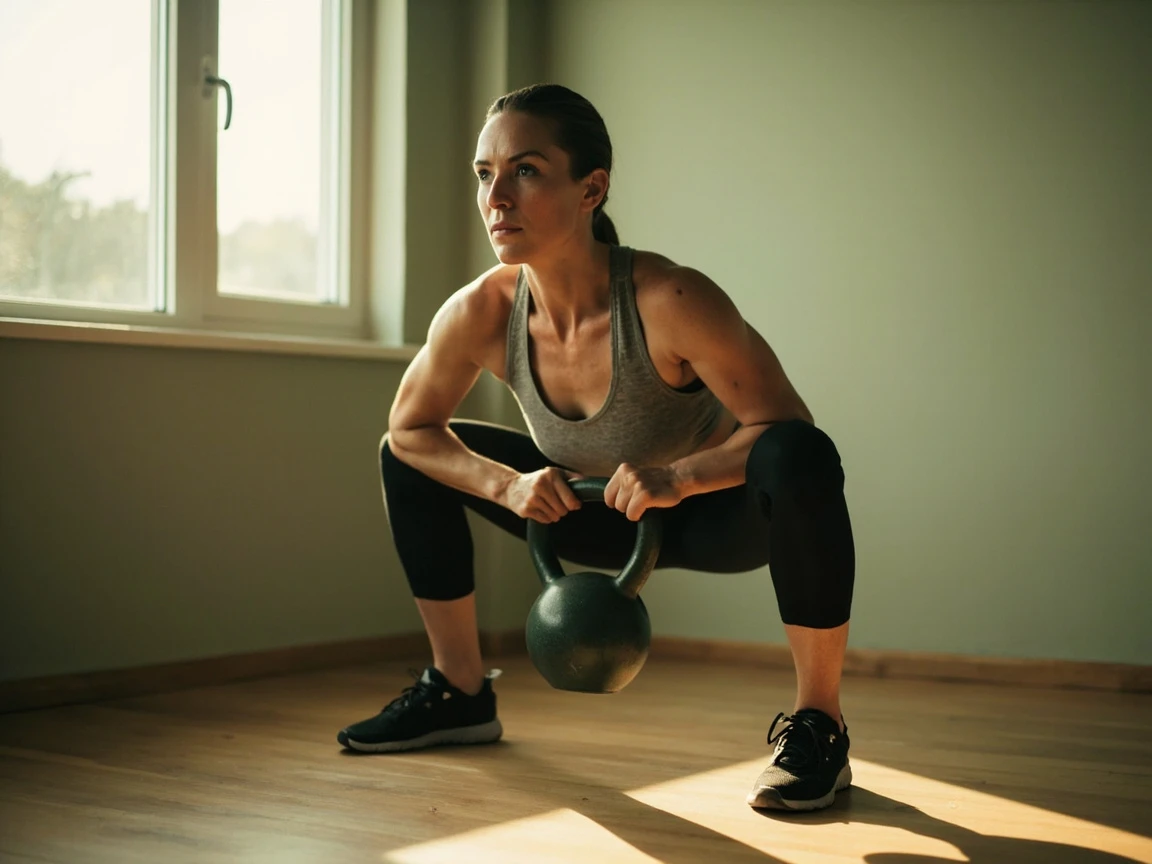
You don't need to be an athlete. The biggest real-world wins show up in everyday strength — carrying, lifting, getting off the floor — and in protecting muscle during the decades when it naturally declines.
Does Creatine Help with Menopause and Bone Health?
This is where creatine gets genuinely exciting for women, and where the lifespan angle matters most. The drop in estrogen during perimenopause and menopause accelerates loss of both muscle and bone, raising fracture risk. Creatine appears to help on both fronts — but with an important caveat.
In postmenopausal women, creatine combined with a resistance-training program has been shown to slow bone-mineral-density loss compared with training alone — but the bone benefit shows up with training, not from the powder by itself.
The leading hypothesis is that creatine lets women train harder and recover better, and it's that mechanical load on the skeleton — plus possible direct effects on bone-building cell activity — that helps preserve bone. Researchers are clear that more long-term trials are needed, but the existing signal is promising and the safety profile is excellent.
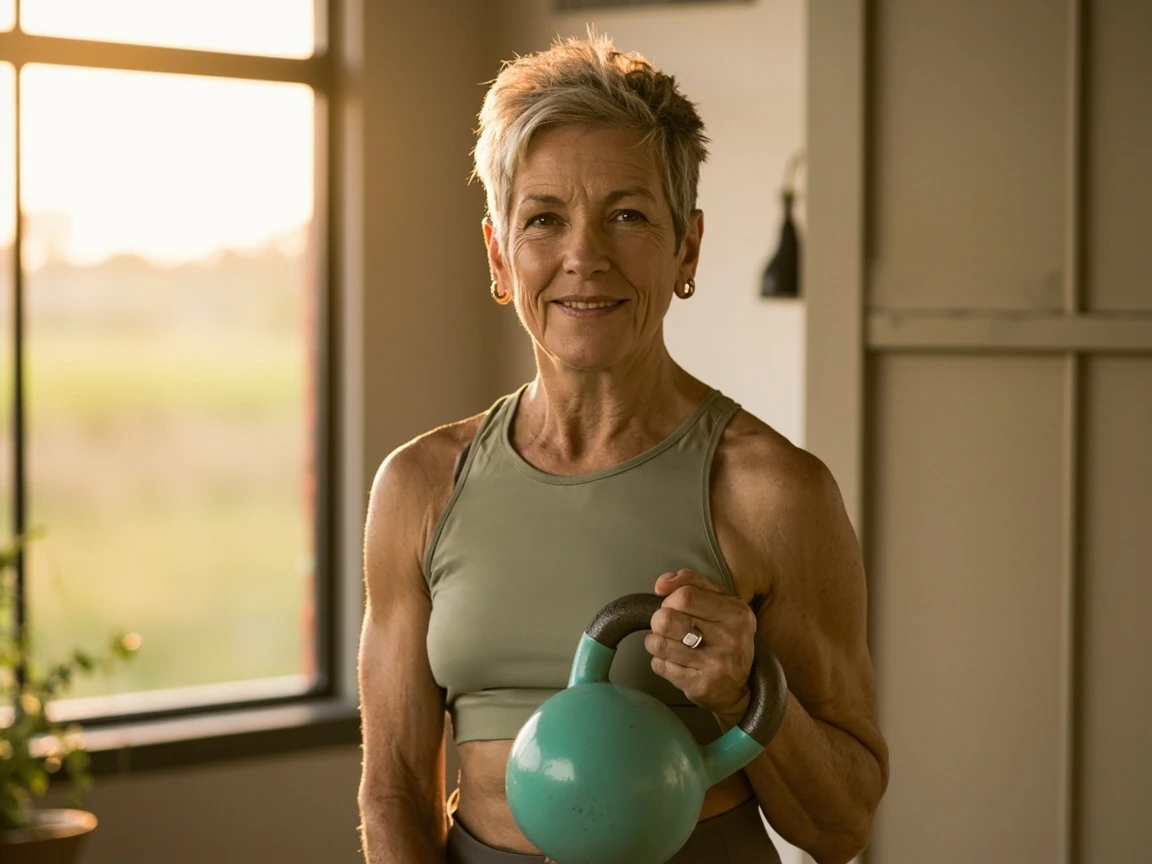
If midlife bone health is your priority, creatine sits alongside the other evidence-backed basics: progressive strength training, enough protein, and adequate vitamin D3 and K2 to support calcium metabolism.
Does Creatine Affect Mood and Brain Function?
Your brain is an energy-hungry organ that also runs on phosphocreatine, and women's brain creatine demands shift with hormonal changes across the menstrual cycle, pregnancy, and menopause. Emerging research suggests supplementation may support mental energy, working memory, and mood — with the clearest effects when the brain is under stress, such as during sleep deprivation.
The mood research is early but intriguing: creatine is being studied as an add-on for depression, and some data suggest it may help buffer the energy dips tied to hormonal fluctuations. We treat this as a promising bonus, not the main reason to take it. For the full breakdown, see our deep dive on creatine and cognition. If your goal is steadier mood and stress resilience, also see our evidence reviews of ashwagandha for stress and magnesium for sleep and recovery.
Will Creatine Make You Bulky?
This single fear keeps more women off creatine than any real side effect. Let's retire the myths with what the evidence shows.
Myth 1: It will make me bulky.
No. Building visible "bulk" requires a large calorie surplus and far more testosterone than women have. Creatine supports lean, functional muscle — the toned look most women are actually after — not size.
Myth 2: It causes bloating.
The old "bloating" reputation came from high-dose loading phases. The water creatine pulls in goes inside the muscle cell, not under the skin. Skip loading (you don't need it) and bloating is rarely an issue.
Myth 3: It's bad for your kidneys.
In healthy people, decades of research and the International Society of Sports Nutrition's position stand find no evidence that recommended doses harm the kidneys. If you have existing kidney disease, talk to your doctor first — sensible advice for any supplement.
Myth 4: You need an expensive special form.
You don't. Creatine monohydrate is the most-studied, most-effective, and cheapest form. "HCl," "buffered," and "liquid" versions cost more without proven advantages.
How Much Creatine Should Women Take?
The protocol is refreshingly simple, which is part of why creatine is so well-supported.
- Dose: 3–5 grams of creatine monohydrate per day, every day. Smaller women can sit at the lower end.
- Loading is optional. A loading phase (around 20g/day for a week) fills your stores faster but isn't necessary — a steady daily dose reaches the same level in 3–4 weeks without the GI discomfort.
- Timing barely matters. Consistency beats timing. Take it whenever you'll remember; with a meal or post-workout is fine. The benefit comes from keeping your muscles saturated day after day, not from one perfectly timed scoop.
- Take it daily, including rest days. You're maintaining a reservoir, not fueling a single session.
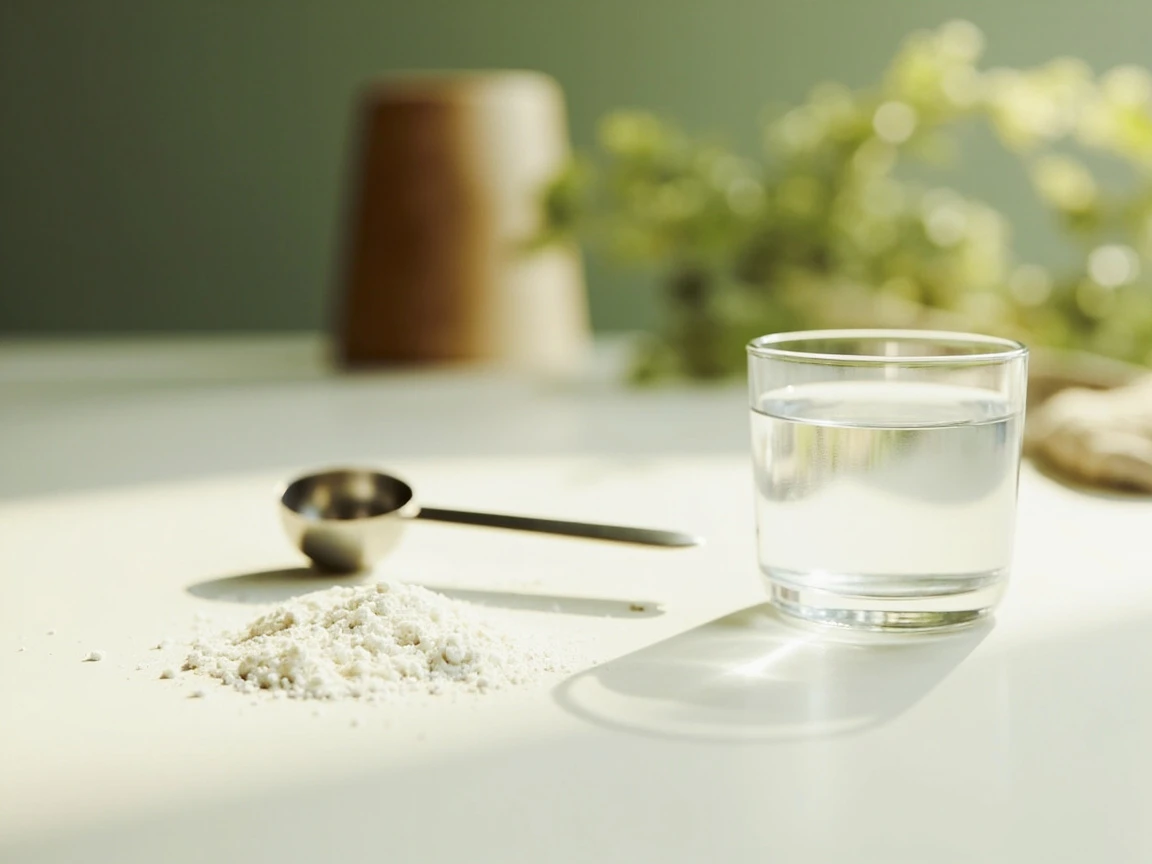
When you shop, the checklist is short:
- Choose creatine monohydrate — ideally labeled Creapure (a high-purity standard) — and skip proprietary blends.
- Look for third-party testing (NSF Certified for Sport or Informed Sport) so you know what's in the tub.
- Unflavored powder is the most economical; it dissolves into water, coffee, or a smoothie.
That's genuinely it. A simple tub of third-party-tested monohydrate does everything the fancy versions claim to.
How we chose these picks: selections are based on published label data — active ingredient per serving, cost per unit of active ingredient, third-party testing, and single-ingredient formulas over proprietary blends. We do not physically test supplements, accept free products, or publish star ratings we cannot verify. Affiliate commission never determines what is recommended. Read our full methodology.
- NSF Certified for Sport — independently verified, banned-substance tested
- Pure creatine monohydrate, no fillers or additives
- Micronized for easy mixing in water or a smoothie
As an Amazon Associate, we earn from qualifying purchases.
- Uses Creapure — the high-purity German creatine standard
- NSF Certified for Sport and Informed Sport certified
- Single-ingredient monohydrate at the studied 5 g dose
As an Amazon Associate, we earn from qualifying purchases.
- Creapure-sourced monohydrate with a decades-long track record
- Micronized powder dissolves quickly and mixes clean
- Among the lowest cost per 5 g serving from a major brand
As an Amazon Associate, we earn from qualifying purchases.
- NSF Certified for Sport — simple, clean Creapure monohydrate
- No flavors, sweeteners, or proprietary blends
- Made for athletes who react to additives
As an Amazon Associate, we earn from qualifying purchases.
- Plain micronized monohydrate sold by weight — cheapest per serving
- Third-party lab tested with published certificates of analysis
- No-frills option for a daily 3-5 g maintenance dose
As an Amazon Associate, we earn from qualifying purchases.
Is Creatine Safe for Women?
For healthy women, creatine has one of the strongest safety records of any supplement. The most common complaint is mild stomach upset from taking a large dose at once on an empty stomach — easily solved by using 3–5g and taking it with food.
A few honest caveats:
- Pregnancy and breastfeeding: early research is promising for maternal and fetal energy metabolism, but human supplementation data is still limited — check with your provider before starting.
- Kidney disease or a single kidney: talk to your doctor first.
- Creatinine readings: creatine can slightly raise creatinine on a blood test without indicating kidney damage. Tell your provider you supplement so results are interpreted correctly.
Creatine isn't a stimulant and won't disrupt sleep, so the time of day is up to you.
The Bottom Line
Creatine for women is one of the rare supplements where the evidence, the safety profile, and the price all point the same direction. Paired with strength training and enough protein, 3–5g of creatine monohydrate a day supports muscle, helps protect bone through menopause, and may give your brain a little extra energy — without making you bulky or bloated. It's not hype. It's just one of the few supplements that actually earns its place in the tub.
Creatine for Women FAQ
Is creatine safe for women to take long term?
Yes. In healthy women, long-term use of recommended doses (3–5g/day) is well supported by research and the International Society of Sports Nutrition's position stand, with no evidence of harm to the kidneys or liver. If you have existing kidney disease, check with your doctor first.
Will creatine make me gain weight?
You may see a small 1–2 lb increase in the first few weeks, but it's water stored inside the muscle, not fat and not under-the-skin bloat. Over time, any further change reflects the lean muscle you build through training.
Do women need a loading phase?
No. A loading phase only fills your creatine stores faster. Taking a steady 3–5g per day reaches the same saturation in about three to four weeks, with less chance of stomach upset.
What is the best creatine for women?
Plain creatine monohydrate, ideally Creapure-labeled and third-party tested (NSF Certified for Sport or Informed Sport). It's the most-researched, most-effective, and most affordable form — special "HCl" or buffered versions don't outperform it.
Can I take creatine during menopause?
Yes, and it may be especially worthwhile. Combined with resistance training, creatine can help offset the muscle and bone loss that accelerates as estrogen declines. Pair it with strength work, protein, and adequate vitamin D for the best results.
When should I take creatine?
Whenever you'll remember it consistently. Daily intake keeps your muscles saturated, so timing around workouts is optional — take it with a meal, in your coffee, or post-workout, including on rest days.
References
The female-specific creatine evidence, dosing, and safety record described here draw on the following peer-reviewed sources:
- Creatine Supplementation in Women's Health: A Lifespan Perspective — Nutrients (PMC)
- Creatine for Exercise and Sports Performance, with Recovery Considerations for Healthy Populations — Nutrients (PMC)
- Dietary Supplements for Exercise and Athletic Performance — Health Professional Fact Sheet — NIH Office of Dietary Supplements

Founder & Editor
Xiujun Ma is the founder and editor of Home Wellness Science, where he researches and edits evidence-based guides on sleep, nutrition, supplements, air and water quality, fitness, and the home environment. His focus is translating peer-reviewed research into practical, no-hype guidance.
Related Articles