Ashwagandha for Stress and Sleep: What the Science Says
What Is Ashwagandha — and Why Is It Everywhere?
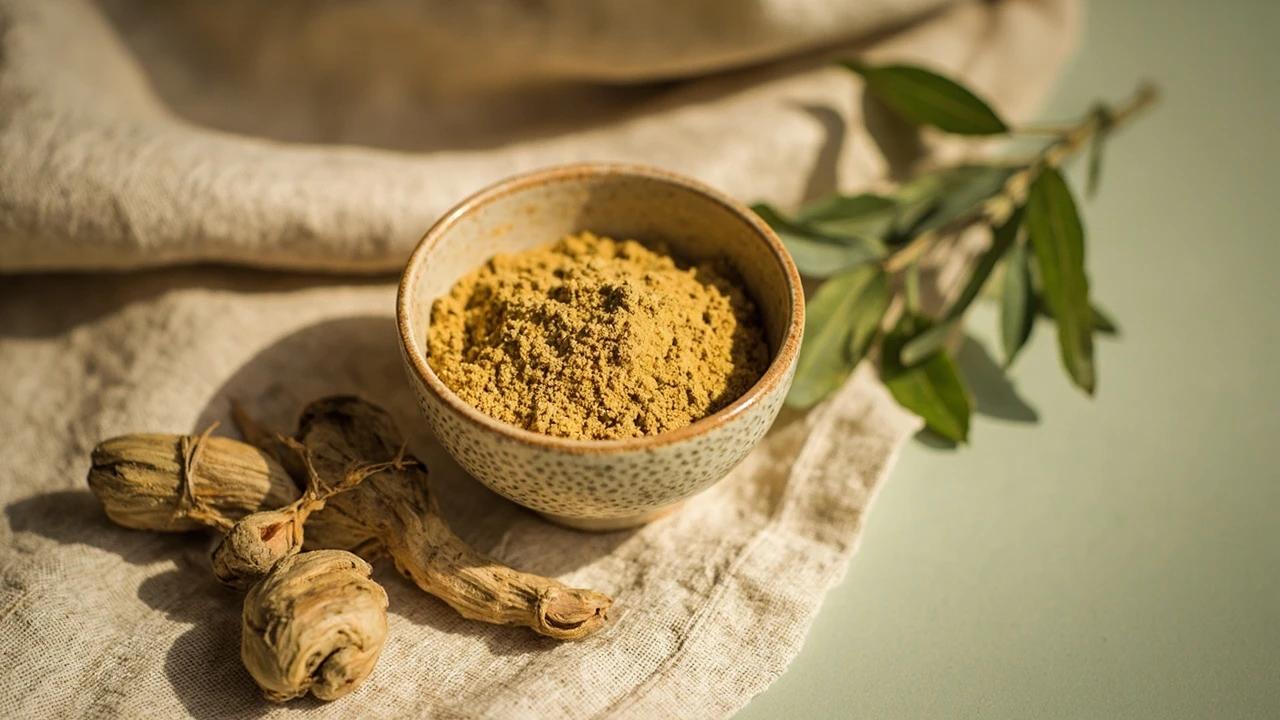
Ashwagandha (Withania somnifera) has gone from a 3,000-year-old Ayurvedic remedy to one of the most-searched supplements on the internet, and the reason is simple: people want something that takes the edge off chronic stress and helps them sleep. Ashwagandha for stress and sleep is the headline use case — and unlike most trending supplements, it actually has a growing stack of human trials behind it.
It belongs to a class of herbs called adaptogens — plants thought to help the body resist and adapt to stress rather than simply sedate it. Its active compounds are steroidal lactones called withanolides, concentrated mostly in the root. The "somnifera" in its botanical name literally means "sleep-inducing," which tells you where traditional use pointed long before the clinical trials arrived.
Modern interest is driven by one specific claim: that ashwagandha lowers cortisol, the body's primary stress hormone. That claim is the thread running through nearly every study, so it is where any honest evidence review has to start.
Ashwagandha for Stress and Anxiety: The Evidence
This is the strongest part of the case. Multiple randomized, placebo-controlled trials — the design that actually tests cause and effect — have found that standardized ashwagandha extract reduces both self-reported stress and measured cortisol.

A 2024 systematic review and meta-analysis pooling several trials found ashwagandha lowered serum cortisol by roughly 28% and cut Perceived Stress Scale scores by about 4.7 points versus placebo — a clinically meaningful difference. Earlier trials using 300–600 mg/day of root extract reported similar reductions in stress and anxiety scores over 6–8 weeks.
In pooled trial data, ashwagandha reduced the stress hormone cortisol by roughly 28% compared with placebo — one of the most consistent findings in the entire adaptogen literature.
The honest caveat: the U.S. National Institutes of Health Office of Dietary Supplements notes that most of these trials are small, short (4–12 weeks), and frequently funded by supplement makers — so firm long-term conclusions are not yet possible. The direction of the evidence is encouraging and unusually consistent for a botanical, but it is best read as "promising," not "settled." And if your stress is rooted in something fixable, ashwagandha is a support, not a cure — the same framing we use in our piece on what chronic stress actually does to the brain.
Ashwagandha for Sleep: Does It Actually Help?
Sleep is the second-best-supported use, and the mechanism overlaps with stress: lower nighttime cortisol means less of the "wired but tired" arousal that delays sleep onset. A 2021 meta-analysis of randomized trials found ashwagandha produced small-but-significant improvements in overall sleep quality, sleep latency (how quickly you fall asleep), and sleep efficiency — with the largest effects in people who already had insomnia.

Doses at the higher end — around 600 mg/day for eight weeks — tended to outperform lower doses for sleep. Beyond cortisol, withanolides appear to interact with GABA receptors, the same calming, inhibitory system many sleep medications target, which may explain a more direct sedative-leaning effect, especially from leaf-containing extracts.
Ashwagandha will not override a bad sleep setup, though. If late caffeine, a warm bedroom, or bright evening screens are the real culprits, fix those first — our guides to how sleep architecture works and designing a better sleep environment do far more heavy lifting than any capsule.
How It Works: Cortisol and the HPA Axis
Stress runs on a feedback loop called the hypothalamic-pituitary-adrenal (HPA) axis. The brain perceives a threat, signals the adrenal glands, and cortisol pours out. That is useful in short bursts and corrosive when it never switches off. Ashwagandha appears to dial down this axis — blunting the cortisol response and nudging the nervous system back toward "rest and digest" (parasympathetic) dominance.
On top of the HPA effect, withanolides show GABA-mimetic activity in lab studies and act as antioxidants in nervous tissue, which fits the dual stress-and-sleep profile seen in trials. None of this makes ashwagandha a sedative in the pharmaceutical sense — it is closer to lowering the baseline volume of the stress response than knocking you out.
That makes it a natural complement to behavioral tools that down-regulate the same axis — the slow-exhale methods in our breathwork guide or a consistent meditation practice. Supplements and skills work better stacked than alone.
Dosage and Forms: KSM-66, Sensoril, and How Much to Take
Most trials use a standardized root extract at 250–600 mg/day, taken for at least four to eight weeks. The number that matters is not the raw milligrams but the withanolide content, which is why two products at "600 mg" can behave very differently. Skip raw-powder "proprietary blends" that hide the dose.
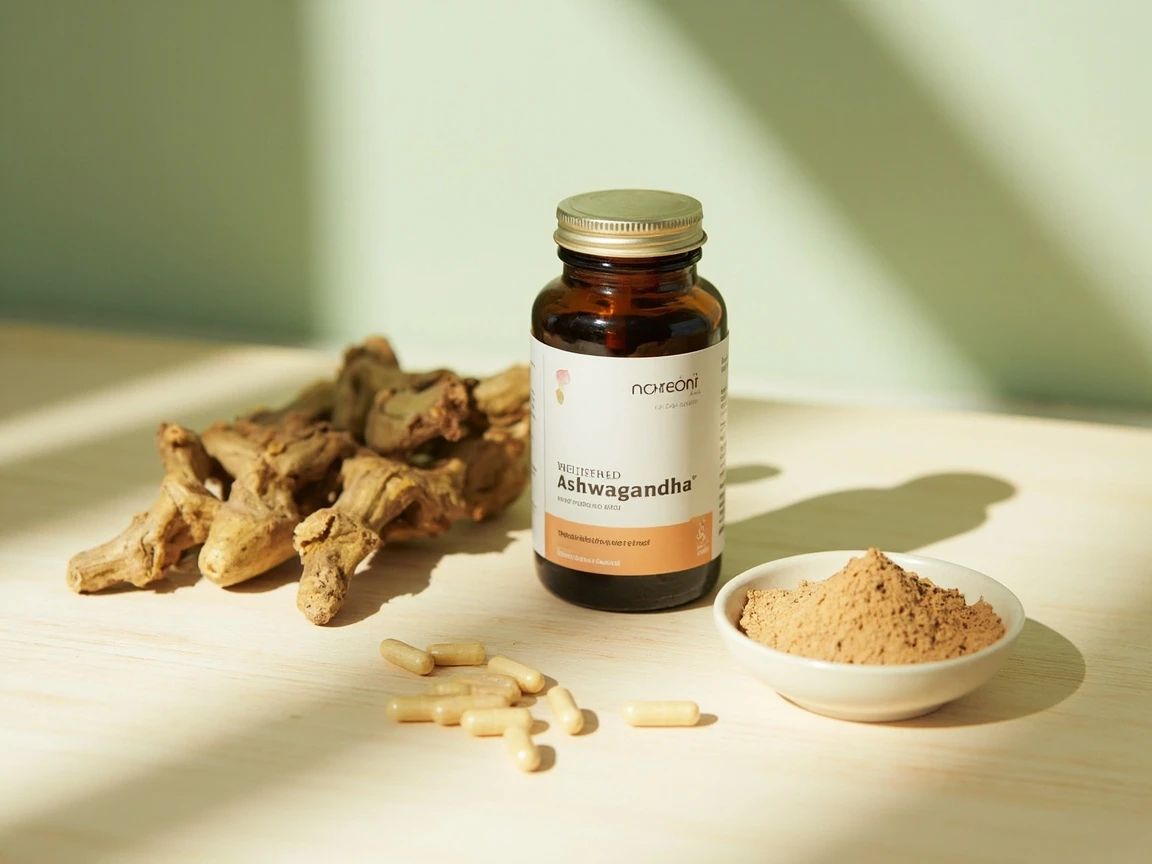
The two extracts you will actually see
- KSM-66: a root-only extract standardized to roughly 5% withanolides. It is the most-studied form for stress, mood, and strength, and the typical dose is 600 mg/day.
- Sensoril: a root-and-leaf extract standardized to about 10% withanolides. It is more concentrated and more sedating, so it is dosed lower (125–250 mg) and is often chosen when sleep is the priority.
What to look for on the label
- A named, standardized extract (KSM-66 or Sensoril) with the withanolide percentage stated.
- Root-based — traditional use and most safety data center on the root.
- Third-party testing (USP, NSF, or Informed Choice) for purity and label accuracy.
Timing and how long it takes
For stress, take it with breakfast or split it morning and evening; for sleep, take it 1–2 hours before bed. Either way, ashwagandha is not fast-acting. Some people notice a subtle "lower volume" within two weeks, but the clearest cortisol and sleep effects in trials show up around the six-to-eight-week mark. Consistency beats dose.
Safety, Side Effects, and Who Should Avoid It
For most healthy adults, ashwagandha is well tolerated — a 12-month safety study reported side effects at rates comparable to placebo. The common complaints are mild: stomach upset, loose stools, and daytime drowsiness (often a dosing-too-high or wrong-time signal). But "natural" is not the same as "risk-free," and a few groups should be genuinely cautious:
- Pregnancy and breastfeeding: avoid it — traditional use flags it as a risk and modern safety data are inadequate.
- Thyroid conditions: ashwagandha can raise thyroid hormone (T3/T4), which is risky if you are hyperthyroid or on thyroid medication.
- Autoimmune disease: it may stimulate immune activity, so clear it with your clinician if you have lupus, rheumatoid arthritis, or Hashimoto's.
- Liver: there are rare but documented reports of ashwagandha-associated liver injury. Stop immediately and see a doctor if you notice yellowing skin, dark urine, or unusual fatigue.
- Sedatives and surgery: it can add to the effect of benzodiazepines, sleep aids, and alcohol, and should be stopped about two weeks before any scheduled surgery.
If you take prescription medication or have a chronic condition, talk to a pharmacist or doctor before starting. This is general education, not medical advice.
How Ashwagandha Fits Into a Stress-and-Sleep Routine
The most useful way to think about ashwagandha is as one lever among several, not a magic bullet. It pairs naturally with magnesium, which works through a different mechanism — supporting GABA, calming NMDA-receptor activity, and easing muscle tension rather than acting on cortisol. Many people use magnesium nightly and add ashwagandha during high-stress stretches; see our guides to the best magnesium supplements for sleep and stress and which magnesium form works best to round out the stack.
Layer the supplement on top of the behaviors that move the needle most — consistent sleep and wake times, morning light, limited late caffeine, and a wind-down routine. The capsule is the support beam, not the foundation.
Ashwagandha FAQ
Does ashwagandha actually work?
For stress and anxiety, the evidence is reasonably strong: randomized, placebo-controlled trials and pooled analyses consistently show that standardized extract lowers cortisol and perceived stress over six to eight weeks. The benefit for sleep is real but more modest, and strongest in people who already have insomnia. It is one of the better-supported herbal supplements, though most trials remain short and small.
How long does ashwagandha take to work?
Do not expect an instant effect. Some people notice a subtle calming within the first one to two weeks, but the clearest reductions in cortisol and improvements in sleep in clinical trials appear around the six-to-eight-week mark. Take it consistently and judge the result after roughly two months rather than two days.
Can you take ashwagandha every day?
Most trials dose it daily for 8 to 12 weeks and report side effects no more common than placebo, so daily use is the norm in the research. Long-term safety beyond a few months is less studied, and some people choose to cycle it. If you use it daily for an extended period, periodic check-ins with a clinician are sensible, particularly regarding thyroid and liver health.
Should you take ashwagandha in the morning or at night?
Either works, and it depends on your goal. For daytime stress and focus, take it with breakfast or split the dose between morning and evening. For sleep, take it one to two hours before bed, where its mild sedative-leaning effect is an advantage. More-concentrated leaf-containing extracts tend to suit evening use better.
Is ashwagandha better than magnesium for stress and sleep?
They are different tools rather than competitors. Ashwagandha works mainly by lowering cortisol through the stress axis, while magnesium supports calming neurotransmission and muscle relaxation. Many people take magnesium nightly and add ashwagandha during high-stress stretches. Neither one replaces consistent sleep habits, daylight exposure, and limited late caffeine.
The Bottom Line
Ashwagandha is one of the few trendy supplements where the hype and the evidence actually overlap. For stress and anxiety, the data are reasonably strong: standardized extract reliably lowers cortisol and perceived stress over 6–8 weeks. For sleep, the benefit is real but smaller, and best in people with existing insomnia. Use a named, standardized extract (KSM-66 or Sensoril) at 250–600 mg/day, give it a couple of months, and respect the safety caveats — especially around pregnancy, thyroid disease, and the liver. Treat it as a well-supported assist to good stress and sleep habits, not a replacement for them.
References
The stress and sleep evidence, and the liver-safety caution, come from the following authoritative sources:
- Ashwagandha — NIH National Center for Complementary and Integrative Health
- Ashwagandha — LiverTox: Clinical and Research Information on Drug-Induced Liver Injury — NIH National Institute of Diabetes and Digestive and Kidney Diseases

Founder & Editor
Xiujun Ma is the founder and editor of Home Wellness Science, where he researches and edits evidence-based guides on sleep, nutrition, supplements, air and water quality, fitness, and the home environment. His focus is translating peer-reviewed research into practical, no-hype guidance.
Related Articles