How to Design the Perfect Sleep Environment: A Room-by-Room Guide

The Bedroom as a Sleep Tool
Your bedroom environment sends powerful signals to your nervous system. The wrong cues—too much light, excessive noise, or a warm temperature—keep your brain in an alert state even when you're exhausted. The right environment removes friction from the transition to sleep and supports uninterrupted cycles throughout the night. For more on this, see whether WiFi EMF affects sleep. For more on this, see biophilic design principles. For more on this, see the best white noise machines for sleep.
Darkness: The Most Important Variable
Even small amounts of light detected through closed eyelids suppress melatonin and elevate cortisol. Install blackout curtains or a quality sleep mask. Cover LED indicator lights on electronics with black electrical tape. The goal is complete darkness—if you can see your hand in front of your face, the room is too bright. For more on this, see blue-light blocking glasses.
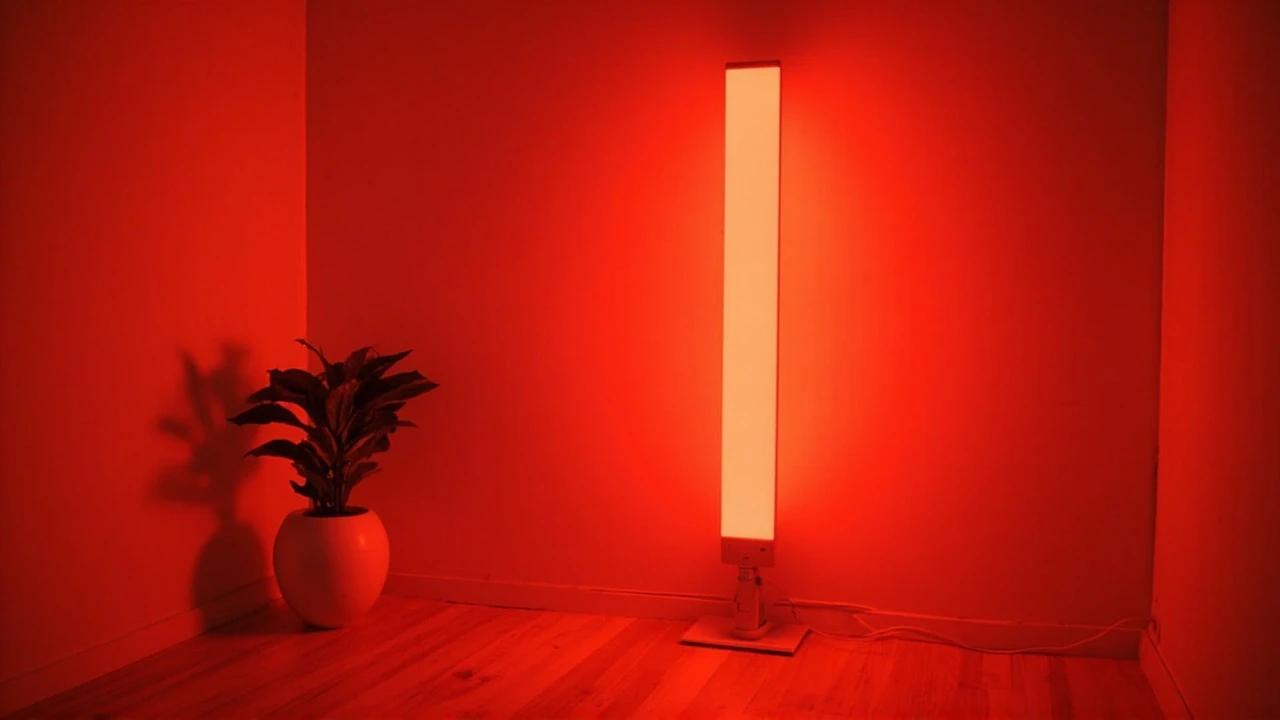
For those who need a nightlight for safety, choose red-spectrum bulbs. Red wavelengths have the least impact on melatonin production compared to blue or white light.
Temperature: The Underrated Variable
The optimal bedroom temperature for sleep is 65–68°F (18–20°C) for most adults, though individual preference varies slightly. Consider a programmable thermostat that drops 2–3 degrees at your bedtime and rises slightly before your alarm to support natural waking.
For partners with different temperature preferences, dual-zone mattress pads (such as the Eight Sleep or ChiliSleep systems) provide independent temperature control on each side of the bed.
Sound: Silence vs. White Noise
Complete silence isn't always optimal—sudden sounds cause micro-arousals that fragment sleep architecture without necessarily waking you. A consistent background noise masks acoustic spikes.
- White noise covers all frequencies equally and is effective for most people.
- Pink noise (heavier bass) is linked to enhanced slow-wave sleep in research settings.
- Brown noise mimics rain or river sounds and many find it the most relaxing.
Set the volume around 50 dB—roughly the level of a quiet conversation—and keep it below 60 dB.
Air Quality in the Bedroom
Adults spend roughly a third of their lives in the bedroom, making indoor air quality there especially important. Common bedroom pollutants include off-gassing from mattresses and furniture, dust mites, and carbon dioxide from exhalation.
A HEPA air purifier rated for your room's square footage reduces particulates significantly. Crack a window when outdoor air quality permits. Carbon dioxide levels above 1,000 ppm—common in sealed bedrooms—are associated with reduced sleep quality and cognitive performance the next morning. Bedroom humidity also matters—keeping relative humidity between 40–60% supports respiratory function and reduces dust mite populations that disrupt sleep.
Bed and Mattress Considerations
Your mattress and pillow significantly affect spinal alignment and pressure points. A mattress that's too soft allows the hips to sink, while one that's too firm creates pressure on shoulders and hips. Medium-firm mattresses perform best across multiple randomized controlled trials for back pain reduction and sleep quality.
Pillows should keep your cervical spine neutral. Side sleepers generally need a higher loft; back sleepers need medium loft; stomach sleeping stresses the neck and is best avoided.
Eliminating Sleep Disruptors
Remove or silence all devices that could cause interruptions. Set your phone to a sleep mode that allows only designated contacts to call through. If you must charge your phone in the bedroom, keep it face-down and across the room—making it slightly inconvenient to check reduces late-night scrolling by 30% in behavioral studies.
Reserve your bed exclusively for sleep and intimacy. Working, watching TV, or scrolling in bed trains your brain to associate the space with wakefulness, undermining sleep onset. For the science behind sleep stages and how to optimize each one, see our guide to sleep architecture.
References
The physiology behind the light, temperature, and noise recommendations in this guide comes from NIH sources:
- How Sleep Works — NIH National Heart, Lung, and Blood Institute
- Sleep Deprivation and Deficiency — NIH National Heart, Lung, and Blood Institute

Founder & Editor
Xiujun Ma is the founder and editor of Home Wellness Science, where he researches and edits evidence-based guides on sleep, nutrition, supplements, air and water quality, fitness, and the home environment. His focus is translating peer-reviewed research into practical, no-hype guidance.
Related Articles