Electrolytes: Do You Actually Need to Supplement?
Disclosure: This article may contain affiliate links. We may earn a small commission at no extra cost to you. This helps support our work in providing evidence-based wellness content.
Do You Actually Need Electrolyte Supplements?
Electrolytes have gone from a sports-drink buzzword to a full-blown wellness category — salty powders, fizzing tablets, and influencer codes everywhere you look. The marketing implies everyone is one sweaty afternoon away from a deficiency. The evidence says something more useful: electrolytes are absolutely essential, most people already get plenty from food, and a specific, identifiable minority genuinely benefits from supplementing.
This guide covers what electrolytes actually do, who really needs extra (and when), the mineral most people are actually short on — it isn't sodium — and the overhydration mistake that sends endurance athletes to the hospital.
What Are Electrolytes?
Electrolytes are minerals that carry an electrical charge when dissolved in your body's fluids. The big six are sodium, potassium, magnesium, calcium, chloride, and phosphate. Every nerve impulse, every muscle contraction — including your heartbeat — and the fluid balance of every cell depends on them.
Your kidneys regulate these minerals within tight ranges, because both too little and too much cause real problems. That regulation is also why the "top up constantly" pitch misleads: for most people eating normal food, the system maintains balance without any help from a neon-labeled tub.
Who Does Not Need an Electrolyte Supplement?
If you eat a reasonably varied diet and your exercise is moderate — walks, weights, a 30–45 minute session without heavy sweating — you almost certainly get enough electrolytes from food. Institutions like MD Anderson put it plainly: most people meet or exceed their electrolyte needs through diet alone.
Sodium makes the point sharpest. The average American eats roughly 3,400 mg of sodium per day — about 50% more than the recommended 2,300 mg limit. For a desk-bound day, adding a 1,000 mg sodium packet to your water isn't "optimizing"; it's stacking more of the mineral you're already over-consuming, which matters for the roughly half of adults dealing with elevated blood pressure.
The daily-hydration basics are equally unglamorous: water plus normal meals covers it. A useful baseline from hydration researchers is about 8 ounces (240 ml) of fluid per hour for the first 10 hours of your day — roughly 2.4 liters — with food supplying the accompanying minerals.
Which Electrolyte Are Most People Actually Missing?
Here's the twist the sodium-heavy marketing skips. If there's an electrolyte gap in the modern diet, it's potassium — sodium's counterweight, which supports healthy blood pressure by helping your body excrete excess sodium and relax blood-vessel walls.
Adequate potassium intake is set at about 2,600 mg/day for women and 3,400 mg/day for men — and most Americans fall short, while simultaneously exceeding sodium limits. The practical fix isn't a powder: it's produce, beans, dairy, and potatoes.
Magnesium is the quieter second shortfall — roughly half of Americans under-consume it. If that's your gap, food and (if needed) a targeted form matter more than a sprinkle in a drink mix; we cover forms and dosing in our magnesium guide.
Who Actually Benefits from Electrolyte Supplements?
Supplemental electrolytes earn their place in a few well-defined situations — mostly defined by sweat, restriction, or illness:
- Long or heavy sweat sessions. Sweat carries roughly 500–1,700 mg of sodium per liter, and heavy sweaters in heat can lose a liter or more per hour. For exercise beyond about 60–90 minutes — or shorter sessions in serious heat — replacing ~300–600 mg of sodium per hour of heavy sweating is a common evidence-based target.
- Regular sauna use. A long sauna session is a sweat session; if you're in the 4–7×/week habit the research favors, hydration with minerals — not just plain water — matters.
- Keto and low-carb diets. Cutting carbs drops insulin, which makes your kidneys excrete more sodium and water — the classic "keto flu" is largely an electrolyte issue, and deliberate sodium (and potassium/magnesium) intake genuinely helps.
- Vomiting, diarrhea, or fever. Illness is the textbook case for oral rehydration — fluids plus electrolytes beat water alone.
- Specific medical situations. Conditions like POTS (which can call for very high prescribed sodium), diuretic medications, or a doctor's guidance override every generic rule here — follow your clinician.
Notice what's not on the list: an ordinary workday, a 30-minute lift, or a stroll. Save the sachets for the situations that actually deplete you — your regular training dose mostly doesn't.
Can You Drink Too Much Water?
The most important electrolyte fact isn't about powders at all. Exercise-associated hyponatremia — dangerously low blood sodium — happens when people drink large volumes of plain water during long events, diluting their blood faster than their kidneys can compensate. It has occurred in nearly every endurance sport, and in severe cases it's fatal.
Quantitative analyses show the risk pattern clearly: drinking around 800 ml of water per hour for many hours can push a heavy-sweating athlete into hyponatremia, while more modest intakes of 400–600 ml/hour rarely do. The paradox is that its early symptoms — nausea, headache, confusion — mimic dehydration, prompting people to drink more water and make it worse.
The protective rules are simple: during long efforts, drink to thirst rather than on a forced schedule, and when you're sweating for hours, make some of your fluid contain sodium. This is the one context where an electrolyte product isn't a nice-to-have — it's a genuine safety tool.
Where Should Your Electrolytes Come From?
For daily life, the best electrolyte "supplement" is the produce aisle:
- Potassium: potatoes, beans and lentils, bananas, avocado, spinach, yogurt, coconut water.
- Magnesium: pumpkin seeds, almonds, dark leafy greens, black beans, whole grains.
- Calcium: dairy, fortified alternatives, tofu, sardines.
- Sodium and chloride: already abundant in any diet that includes salted or prepared food.
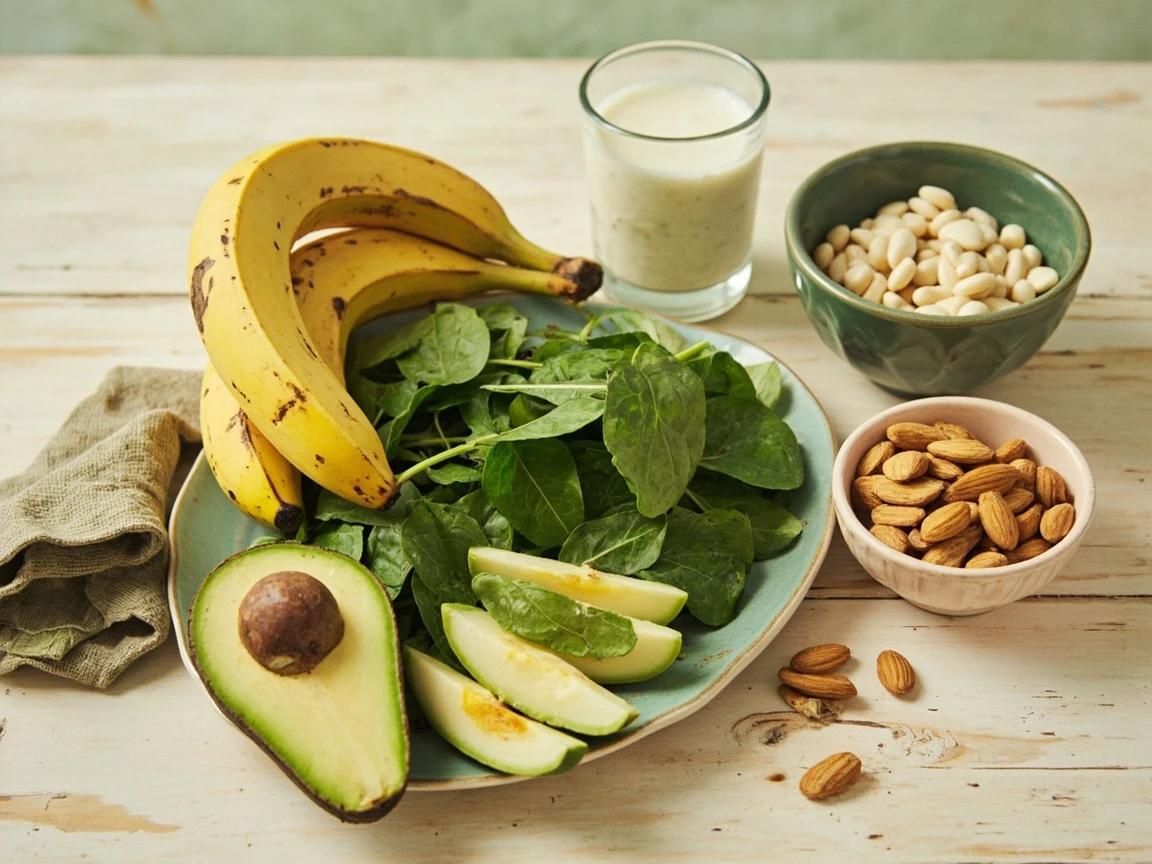
These foods deliver the minerals inside the package your body evolved to process — with fiber, protein, and micronutrients attached, the same logic behind an anti-inflammatory whole-food diet and a sensible protein target. Water quality plays a supporting role too; if your tap water is a concern, see our home water filtration guide.
How Do You Choose an Electrolyte Product?
If you're genuinely in a supplement-worthy group, a few rules separate useful products from flavored salt water at a markup:
- Match sodium to your situation. Heavy sweat and keto call for sodium-forward mixes (500–1,000 mg per serving); casual use doesn't. There's no virtue in megadosing salt at a desk.
- Look for potassium and magnesium alongside sodium — a balanced profile beats a pure salt bomb.
- Mind the sugar. Classic sports drinks pair electrolytes with substantial sugar — intentional fuel for endurance efforts, pointless calories otherwise. Sugar-free mixes fit non-endurance use better.
- Prefer third-party tested products (NSF Certified for Sport or Informed Choice) so the label matches the tub.
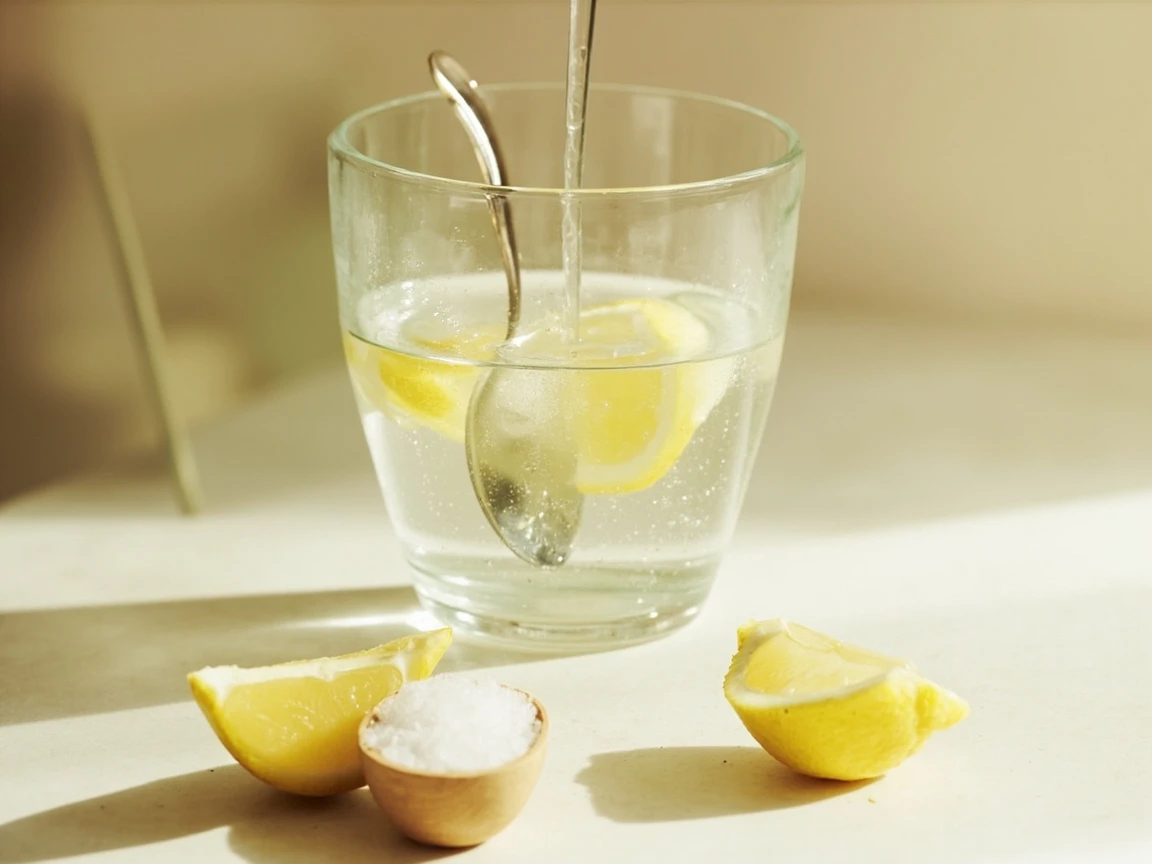
- Or skip the product entirely: a DIY mix — water, a good pinch of salt (~1/4 tsp ≈ 575 mg sodium), a squeeze of citrus, and optionally a splash of juice — covers most sweat-replacement needs for pennies.
How we chose these picks: selections are based on published label data — active ingredient per serving, cost per unit of active ingredient, third-party testing, and single-ingredient formulas over proprietary blends. We do not physically test supplements, accept free products, or publish star ratings we cannot verify. Affiliate commission never determines what is recommended. Read our full methodology.
- Sodium-forward sticks (1,000 mg sodium, 200 mg potassium, 60 mg magnesium)
- Zero sugar — built for the heavy-sweat, sauna, and low-carb use cases
- Only worth it if you are genuinely in a high-loss group
As an Amazon Associate, we earn from qualifying purchases.
- Balanced six-electrolyte blend with a gentle, low sodium dose
- Zero sugar and calories — suited to light activity and hot days
- A middle ground between plain water and sodium-heavy mixes
As an Amazon Associate, we earn from qualifying purchases.
- Pairs sodium with glucose — the sugar is intentional fuel for long efforts
- Makes sense during endurance sessions, not at a desk
- Skip it for casual use if you do not want the added sugar
As an Amazon Associate, we earn from qualifying purchases.
What Are the Signs of an Electrolyte Imbalance?
True imbalances — high or low sodium, potassium, or magnesium — produce symptoms like muscle cramps or weakness, headaches, nausea, confusion, irregular heartbeat, and numbness or tingling. They're usually driven by illness, medications, kidney issues, or extreme intakes rather than a missed sports drink.
Persistent symptoms deserve a doctor and a basic blood panel, not a bigger scoop of powder. And a special note for older adults: the thirst signal weakens with age, so scheduled fluid intake matters more even as total needs stay similar.
The Bottom Line
Electrolytes are essential; electrolyte products are situational. Eat a varied diet and the daily answer is food and water — with potassium, not sodium, as the mineral most worth chasing. Reach for a supplement when the situation genuinely depletes you: long or hot sweat sessions, frequent sauna, keto, or illness. During long endurance efforts, treat sodium as a safety tool and don't chug plain water on a forced schedule. Everyone else can keep their money and hit the produce aisle instead.
Electrolytes FAQ
Do I need electrolytes every day?
You need electrolytes daily, but you almost certainly already get them from food. A varied diet covers sodium, potassium, magnesium, and calcium for typical days. Supplements earn their place only around heavy sweating, keto, illness, or medical conditions that deplete minerals.
What are the symptoms of low electrolytes?
Muscle cramps or weakness, headache, nausea, confusion, irregular heartbeat, and tingling can signal an imbalance. True deficiencies usually stem from illness, medications, or extreme sweat losses — if symptoms persist, see a doctor for a blood panel rather than self-treating with powders.
Are electrolyte powders better than water?
Only in depleting situations. For everyday hydration, water plus normal meals is equal or better — most people already exceed sodium targets. During long sweaty exercise, sauna habits, keto, or stomach bugs, adding electrolytes to your fluids genuinely helps.
What is the best natural source of electrolytes?
Produce and whole foods: potatoes, beans, bananas, avocado, and spinach for potassium; nuts, seeds, and leafy greens for magnesium; dairy for calcium; and ordinary salted food for sodium. Coconut water is a decent light option but isn't magic.
Can you drink too much water?
Yes — during long endurance efforts, drinking large volumes of plain water can dilute blood sodium and cause exercise-associated hyponatremia, which is dangerous and mimics dehydration. Drink to thirst during long events and include sodium in some of your fluids.
How much sodium do you lose in sweat?
Roughly 500–1,700 mg per liter of sweat, varying widely by individual, and heavy sweaters in heat can lose a liter or more per hour. That's why replacing ~300–600 mg of sodium per hour makes sense during long, sweaty sessions — and why it's unnecessary for short, easy workouts.
References
The hydration guidance, the potassium gap, and the overhydration safety warning here draw on the following authoritative sources:
- Statement of the Third International Exercise-Associated Hyponatremia Consensus Development Conference, Carlsbad, California, 2015 — Clinical Journal of Sport Medicine (PubMed)
- Exercise-Associated Hyponatremia — StatPearls — NIH National Library of Medicine
- Potassium — Health Professional Fact Sheet — NIH Office of Dietary Supplements

Founder & Editor
Xiujun Ma is the founder and editor of Home Wellness Science, where he researches and edits evidence-based guides on sleep, nutrition, supplements, air and water quality, fitness, and the home environment. His focus is translating peer-reviewed research into practical, no-hype guidance.
Related Articles