Berberine: Does "Nature's Ozempic" Actually Work?
Disclosure: This article may contain affiliate links. We may earn a small commission at no extra cost to you. This helps support our work in providing evidence-based wellness content.
Berberine is having the biggest moment of its long life. TikTok christened it "nature's Ozempic," searches for berberine capsules are up several hundred percent over the past year, and an entire category of berberine patches has appeared out of nowhere. The nickname is doing enormous commercial work.
It is also wrong, and the number that shows why is not close. In the STEP 1 trial, semaglutide 2.4 mg produced a 14.9% reduction in body weight over 68 weeks. In SURMOUNT-1, tirzepatide 15 mg produced 20.9% over 72 weeks. The berberine trials produce something in the neighbourhood of one to two kilograms — and the meta-analyses do not even agree that the effect is statistically significant.
That does not make berberine junk. It has a genuine, replicated effect on blood glucose that is larger and better evidenced than most things sold in the supplement aisle — a bar that a surprising number of popular compounds fail, as our look at collagen and taurine both found — and it deserves to be understood on those terms rather than as a needle-free knockoff of a drug it does not resemble. This guide covers what the trials actually found, why the absorption problem shapes every buying decision, whether the patches can work, and the interactions that make berberine genuinely unsafe for some people.
Is Berberine Really "Nature's Ozempic"?
No, and the comparison misleads in two directions at once.
Mechanically, they are not related. Semaglutide and tirzepatide are GLP-1 receptor agonists: they mimic a gut hormone, act on appetite signalling in the brain, and slow gastric emptying. Berberine's main described mechanism is activation of AMP-activated protein kinase (AMPK), a cellular energy sensor that influences glucose uptake and lipid metabolism. It is not a GLP-1 agonist and does not work through the same pathway. AMPK is the same sensor that exercise activates, which is part of why berberine is sometimes described as an exercise mimetic — a claim that runs well ahead of the evidence, much as it does for cold plunging.
Numerically, the gap is roughly an order of magnitude. Against 14.9% and 20.9% body-weight reductions for the prescription drugs, berberine trials report changes measured in single kilograms. For an adult weighing 90 kg, a 2 kg loss is about 2%. The US National Center for Complementary and Integrative Health, reviewing the same literature, notes that while a 2022 review found significant decreases in weight and BMI, "many of the studies included in this review had a high risk of bias, and the outcomes of individual studies were inconsistent."
The honest framing is that berberine is a blood-sugar compound with a modest weight side effect, not a weight-loss drug. Its best evidence sits in glycemic control, which is where the rest of this guide spends most of its time.
What Is Berberine and Where Does It Come From?
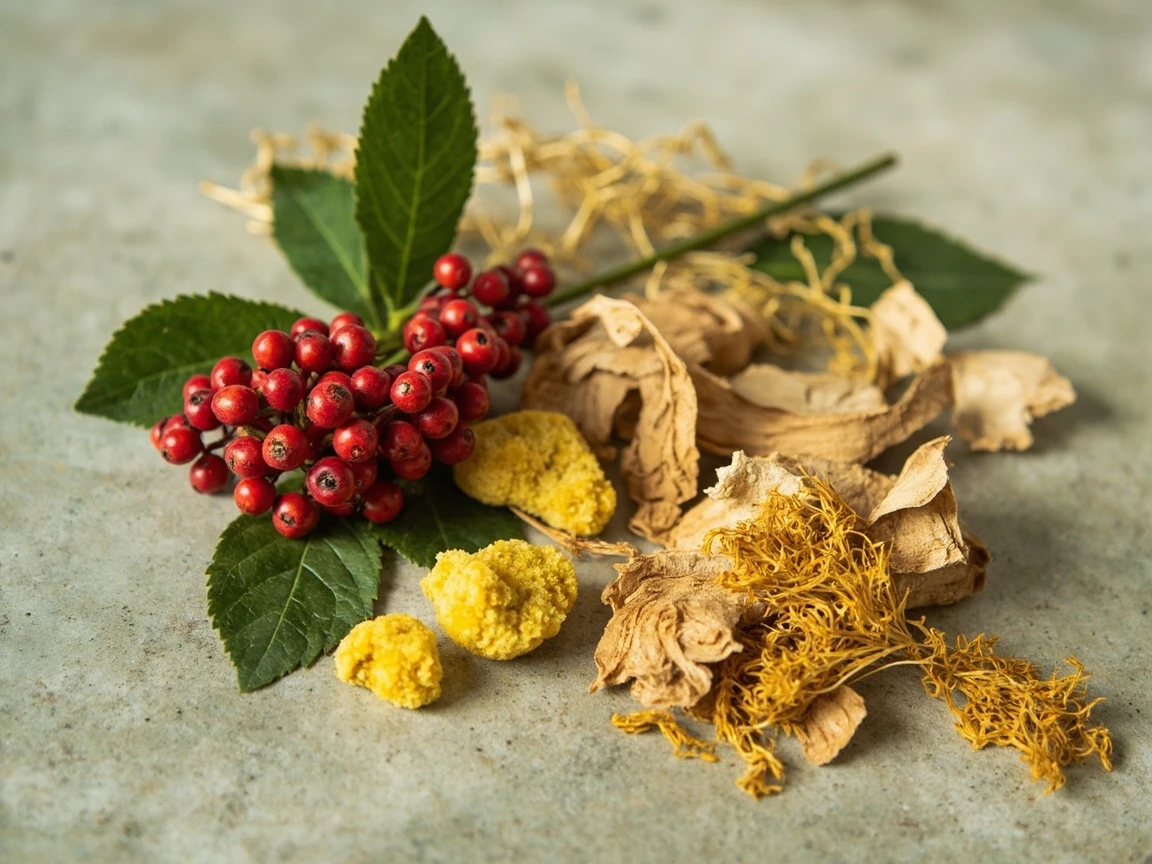
Berberine is a bright yellow alkaloid found in the roots, bark, and stems of several unrelated plants — barberry (Berberis vulgaris), Indian barberry (Berberis aristata), goldenseal, Oregon grape, and Chinese goldthread among them. Most commercial supplements use berberine hydrochloride extracted from Berberis aristata bark.
It is not a new discovery. Berberine-containing plants have been used in Chinese and Ayurvedic medicine for centuries, largely for gastrointestinal complaints — an application that looks less quaint now that the gut microbiome is understood to influence metabolic health — and the compound was characterised chemically in the nineteenth century. What is new is the metabolic framing, which grew out of Chinese clinical research from the 2000s onward comparing berberine to oral diabetes drugs.
Chemically, berberine is a quaternary ammonium compound, which means it carries a permanent positive charge. That single structural fact explains most of what follows: why it absorbs so poorly, why the dose is so high relative to a pharmaceutical, and why certain delivery formats cannot plausibly work.
Does Berberine Actually Lower Blood Sugar?
Yes, and this is the strongest part of its case. A 2022 systematic review and meta-analysis in Frontiers in Pharmacology pooled 37 randomised controlled trials covering 3,048 patients with type 2 diabetes. Berberine reduced HbA1c by 0.63 percentage points, fasting plasma glucose by 0.82 mmol/L, and two-hour postprandial glucose by 1.16 mmol/L — all statistically significant.
An HbA1c reduction of 0.63 points is not a trivial number. For context, that is within the range clinical guidelines consider meaningful for a glucose-lowering intervention. The same analysis found berberine did not increase total adverse events and showed no significant excess hypoglycemia compared with standard agents.
The effect also scaled with how poor control was at baseline: patients starting above 9.0% HbA1c saw a 0.79-point reduction, while those below 9.0% saw 0.58. That pattern — larger benefit where there is more to correct — is the same one that shows up across most nutrient and metabolic interventions, and it is exactly what the vitamin D trials found too.
What Berberine Has Not Been Shown to Do
This is the section that the "nature's Ozempic" content leaves out, and it changes how the rest should be read.
A larger 2024 meta-analysis in Frontiers in Pharmacology — 50 randomised trials, 4,150 participants — separated berberine taken alone from berberine taken alongside conventional diabetes medication. Taken alone, the HbA1c reduction was 0.24 percentage points and not statistically significant (p = 0.181). The significant HbA1c effects appeared when berberine was compared against placebo specifically (0.68 points) or added on top of hypoglycemic drugs (0.69 points).
On weight, the picture is weaker still. A 2024 meta-analysis in the Journal of Ayurveda and Integrative Medicine covering nine trials and 547 patients found significant improvements in fasting blood glucose and HbA1c, but an insignificant change in body weight (−1.89 kg, p = 0.16) and no significant change in BMI (−0.12, p = 0.76).
Different meta-analyses reach different conclusions on weight — some find around 2 kg, others find nothing — and that disagreement is itself the finding. When the effect flips depending on which trials you pool, the honest read is that any weight effect is small enough to be swamped by study quality. Much of the underlying trial literature is small, short, and concentrated in a few research groups.
How Much Weight Does Berberine Actually Cause You to Lose?
The defensible answer is: possibly a kilogram or two over several months, possibly nothing, and nowhere near what the nickname implies.
Meta-analyses that do find an effect put it at roughly 0.9 to 2.1 kg, alongside BMI reductions under half a point and modest waist-circumference changes. Meta-analyses that adjust differently, or restrict to specific plant species, find changes that do not reach significance. No credible analysis reports anything approaching the 10–20% body-weight reductions seen with GLP-1 drugs.
There is also a plausible reason the weight effect is unreliable: berberine has no established appetite mechanism. GLP-1 drugs cause weight loss largely because people eat considerably less. Berberine acts on glucose and lipid handling, and any weight change is a downstream consequence rather than the primary effect. Expecting appetite suppression from it is expecting the wrong drug. If the goal is body composition rather than blood sugar, hitting a protein target and walking more have far better evidence behind them.
Why Does Berberine Absorb So Poorly?
Berberine's absolute oral bioavailability is under 1%. Swallow 500 mg and well under 5 mg reaches systemic circulation intact.
Three things cause this. The permanent positive charge makes it poorly soluble and prone to self-aggregating in the gut. It is a substrate for P-glycoprotein, an efflux pump that actively transports absorbed molecules back into the intestinal lumen. And whatever survives that faces extensive first-pass metabolism, with the great majority of the absorbed amount metabolised before it circulates.
This is not a footnote — it is the single most useful fact for a buyer. It explains why clinical trials use 1,000 to 1,500 mg per day when a pharmaceutical would be dosed in single-digit milligrams, why splitting the dose matters, and why formulations that claim to solve absorption command a premium. It is also why the gastrointestinal side effects are so common: most of the dose never leaves your gut. Poor bioavailability is a recurring theme in botanical supplements — the same problem shapes how curcumin and other plant compounds are formulated.
Do Berberine Patches Work?
Searches for berberine patches have grown more than fifteen-fold in the past year, and combined "moringa berberine patch" products have gone vertical. There is no good reason to think they work.
The case against them is straightforward. Berberine is a permanently charged quaternary ammonium molecule, and charged molecules do not readily cross the stratum corneum — the skin's outer barrier is specifically effective at excluding them. Transdermal drug delivery generally works for small, uncharged, fat-soluble molecules, which berberine is not. Set against that, consider that even swallowing 1,500 mg daily delivers under 1% to the bloodstream; a patch would need to overcome a harder barrier with a far smaller payload.
There are no published randomised trials of transdermal berberine patches for blood sugar or weight in humans. Every clinical finding in this article comes from oral dosing. A product category can be popular and still have no evidence behind it, and this is a clean example.
If you want to try berberine, take it by mouth in a dose the trials actually used.
How Much Berberine Should You Take?
The trial-standard regimen is 500 mg three times daily, totalling 1,500 mg, taken with meals. Some protocols use 1,000 mg per day split into two doses.
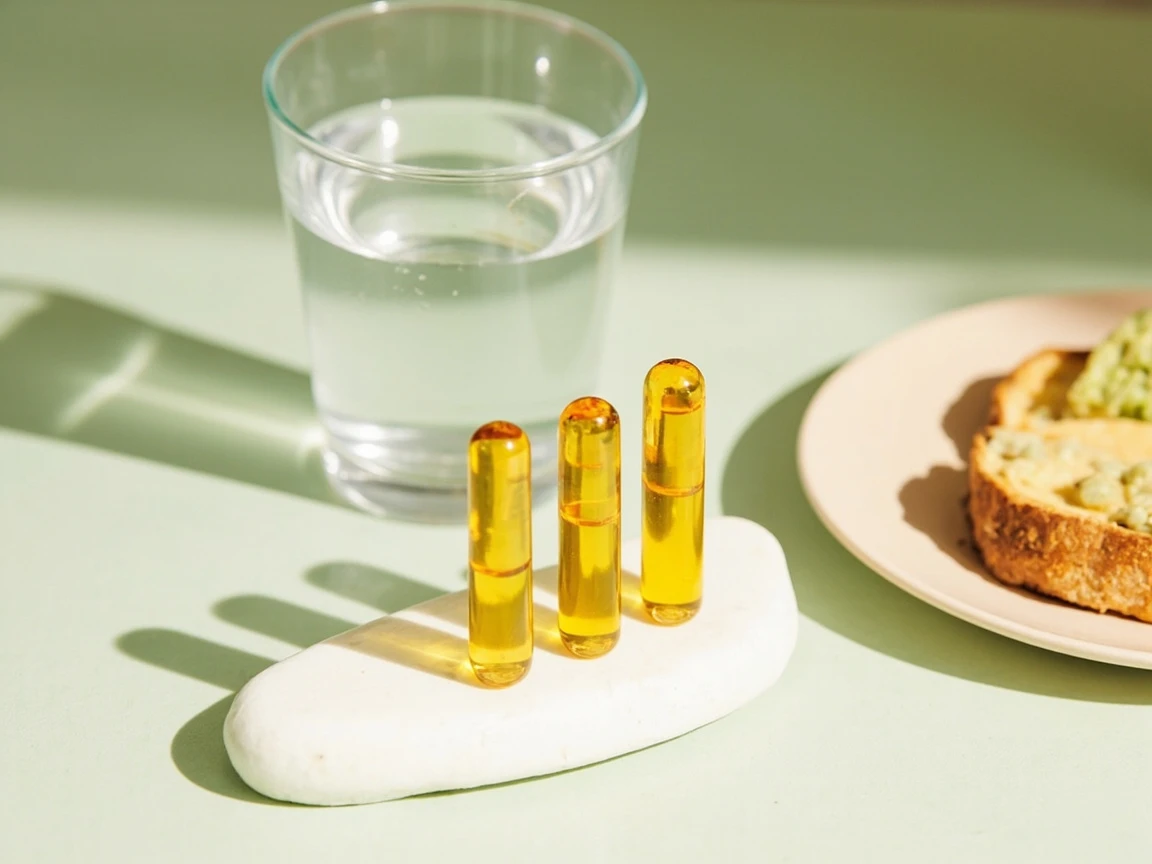
Splitting matters more here than with most supplements, for two reasons. Berberine has a short effective window given how rapidly it is metabolised, so a single large dose does not maintain exposure. And taking 1,500 mg at once substantially increases the odds of cramping and diarrhoea, which is the main reason people quit.
Take it with food. This improves tolerability and, for the glucose effect specifically, means it is present when a meal is being handled. Give it eight to twelve weeks before judging — the glycemic trials generally ran that long or longer, and HbA1c reflects roughly three months of average glucose, so a shorter test cannot tell you much.
Start at one dose per day for the first week and build up. Front-loading the full 1,500 mg is the most common way to make yourself miserable and conclude berberine does not agree with you. The same start-low principle applies to magnesium, where the wrong form at the wrong dose produces the same outcome.
What Should You Look For in a Berberine Supplement?
The list below is intentionally mixed rather than pretending one bottle wins every scenario. Berberine buyers split into distinct groups — people who want the standard trial dose cheaply, people who cannot tolerate the standard dose, and people who want third-party verification — and the right product differs for each.
How we chose these picks: selections are based on published label data — active ingredient per serving, cost per unit of active ingredient, third-party testing, and single-ingredient formulas over proprietary blends. We do not physically test supplements, accept free products, or publish star ratings we cannot verify. Affiliate commission never determines what is recommended. Read our full methodology.
- 500 mg berberine HCl per vegetarian capsule — the form and dose the clinical trials used, one capsule per meal reaches 1,500 mg
- Berberine HCl from Indian barberry (Berberis aristata) root; lab-verified for potency, purity, and identity; Non-GMO Project Verified
- Sold in 60- and 100-capsule bottles; replaces Thorne here after Thorne shifted its range to a 200 mg capsule and a phytosome blend
As an Amazon Associate, we earn from qualifying purchases.
- Phospholipid-bound (phytosome) berberine, reporting substantially higher absorption in pharmacokinetic studies
- Lower milligram dose per capsule as a result — do not dose it like the HCl form
- Costs more per capsule; the trade is absorption data rather than trial-replication
As an Amazon Associate, we earn from qualifying purchases.
- 400 mg berberine HCl from Berberis aristata plus MCT oil per softgel, taken three times daily
- The MCT carrier targets both absorption and the gastrointestinal upset that makes people quit
- Softgel rather than capsule, which some people find easier on an empty stomach
As an Amazon Associate, we earn from qualifying purchases.
- 600 mg berberine HCl per capsule; 1,200 mg plus 200 mg Ceylon cinnamon per two-capsule serving
- Lowest cost per gram of berberine among the picks here
- No trial evidence that the cinnamon pairing beats berberine alone — treat it as a preference
As an Amazon Associate, we earn from qualifying purchases.
Form. Most products use berberine HCl, which is what the clinical trials used. Phytosome or phospholipid-bound versions bind berberine to a lipid carrier and report substantially higher absorption in pharmacokinetic studies, at a lower milligram dose and a higher price. Both are legitimate; the HCl form has the trial evidence, the phytosome form has the absorption data.
Dose per capsule. 500 mg per capsule maps cleanly onto the 500 mg three-times-daily protocol. A 600 mg capsule works too. Anything under 200 mg means swallowing an unreasonable number of capsules to reach a trial-relevant dose.
Absorption aids. Some formulas pair berberine with MCT oil or other lipids to improve uptake and gut tolerance. This is a reasonable formulation choice rather than marketing noise, given how much of the dose otherwise sits in the intestine.
Third-party testing. Berberine is a botanical extract, and botanical extracts vary. NSF or USP-style content certification tells you the capsule contains what the label claims. Given that berberine is being taken for a measurable clinical endpoint, label accuracy matters more than usual. Our full methodology explains how we weigh certification against marketing claims.
What to ignore. Patches, drops marketed for sublingual absorption, and "berberine complex" blends that do not disclose the berberine amount. If a product will not tell you the milligrams, you cannot dose it against the evidence.
Is Berberine Safe? Interactions and Who Should Avoid It
Berberine is the rare supplement where the interaction profile is a genuine clinical concern rather than boilerplate. It inhibits CYP3A4, CYP2D6, and P-glycoprotein — three of the main routes by which the body clears prescription drugs.
- Pregnancy, breastfeeding, and infants — avoid. This is the firmest contraindication. Berberine can displace bilirubin from plasma proteins, and NCCIH notes that exposure "has been linked to a harmful buildup of bilirubin in infants, which can cause brain damage." Kernicterus is a serious, permanent neurological injury. Berberine should not be given to infants and should be avoided in pregnancy and while breastfeeding.
- Diabetes medication — medical supervision required. Berberine lowers blood glucose. Stacking it on metformin, a sulfonylurea, insulin, or a GLP-1 agonist can push you into hypoglycemia. This combination is not automatically wrong — the strongest HbA1c results in the meta-analyses came from exactly this pairing — but it needs a prescriber and glucose monitoring, not self-experimentation.
- Cyclosporine and other narrow-therapeutic-index drugs. NCCIH specifically flags the cyclosporine interaction. The same CYP3A4 and P-glycoprotein inhibition affects statins, some anticoagulants, digoxin, and immunosuppressants, where small changes in blood level matter a great deal.
- Liver disease. Given the extensive hepatic first-pass metabolism, anyone with impaired liver function should clear berberine with a clinician first.
- Gastrointestinal side effects are common and dose-related. Nausea, cramping, bloating, constipation, and diarrhoea are the usual complaints. They are usually manageable by splitting the dose, taking it with food, and building up slowly.
The general rule: if you take any prescription medication, berberine is a conversation with your pharmacist before it is a purchase. That is not a disclaimer reflex — the CYP3A4 and P-glycoprotein effects are the same mechanism behind the grapefruit-juice warnings on many drug labels. Very few supplements warrant this level of caution; omega-3s and electrolytes sit at the opposite end of the interaction spectrum.
How Does Berberine Compare to Metformin?
This comparison comes up constantly, and it is worth being precise about what the trials do and do not establish.
Several Chinese randomised trials compared berberine head-to-head with metformin and reported broadly comparable glycemic control. That result is real, but it should be read with two caveats: the trials were generally small, and the meta-analytic picture shows berberine's strongest effects when it is added to conventional drugs rather than substituting for them.
Metformin has decades of large-scale outcome data, established safety monitoring, regulated manufacturing, and a known dose. Berberine has a smaller trial base, unregulated manufacturing, and a bioavailability problem. Treating them as interchangeable gets the risk calculus backwards. Berberine is a reasonable thing to discuss adding; it is not a reasonable thing to swap a prescription for on your own.
Berberine FAQ
How long does berberine take to work?
Fasting glucose can shift within a few weeks, but HbA1c reflects roughly three months of average blood sugar, so the glycemic trials generally ran eight to twelve weeks or longer. Judge it on a lab value after about twelve weeks rather than on how you feel.
Should you take berberine on an empty stomach?
No. Take it with meals. It improves tolerability considerably, and for the glucose effect it makes sense to have it present when food is being processed.
Can you take berberine with metformin?
Only under medical supervision. The combination produced the largest HbA1c reductions in the 2024 meta-analysis, so it is not inherently a bad idea — but both lower blood glucose, and the hypoglycemia risk is real. This needs a prescriber and monitoring.
Is berberine hard on the liver?
Berberine undergoes extensive first-pass hepatic metabolism and inhibits several liver enzymes that clear medications. In healthy people at normal doses it is generally well tolerated, but anyone with liver disease or on drugs metabolised by CYP3A4 should check with a clinician before starting.
Do berberine and Ceylon cinnamon work better together?
Several products combine them, and cinnamon has its own modest glucose literature, but there is no good trial evidence that the combination outperforms berberine alone. Treat the pairing as a formulation preference rather than a proven advantage.
Does berberine help with PCOS?
There is preliminary research on berberine for insulin resistance in polycystic ovary syndrome, which is mechanistically plausible given its glycemic effects. The evidence base is much smaller than the type 2 diabetes literature, and the pregnancy contraindication is directly relevant for anyone with PCOS who may be trying to conceive.
Is berberine safe to take long term?
Most trials ran three to six months, so genuinely long-term safety data is limited. That is a gap in the evidence rather than a red flag, but it argues for periodic reassessment with a clinician rather than indefinite unsupervised use.
References
The glycemic trial data, the weight-loss magnitude, the absorption problem, and the safety warnings in this guide draw on the following sources:
- Berberine and Weight Loss: What You Need To Know — NIH National Center for Complementary and Integrative Health
- Glucose-lowering effect of berberine on type 2 diabetes: A systematic review and meta-analysis — Front Pharmacol, 2022 (37 RCTs, 3,048 patients) — PubMed
- Effects of administering berberine alone or in combination on type 2 diabetes mellitus: a systematic review and meta-analysis — Front Pharmacol, 2024 (50 RCTs, 4,150 participants) — PubMed
- Efficacy of Berberis vulgaris and Berberis integerrima on glycemic indices and weight profile in type 2 diabetic patients: A systematic review and meta-analysis of randomized controlled trials — J Ayurveda Integr Med, 2024 (9 RCTs, 547 patients) — PMC
- Approaching strategy to increase the oral bioavailability of berberine, a quaternary ammonium isoquinoline alkaloid: Part 1 — Expert Opin Drug Metab Toxicol, 2023 — PubMed
- Berberine as a multi-target therapeutic agent for obesity: from pharmacological mechanisms to clinical evidence — Eur J Med Res, 2025 — PMC
- Once-Weekly Semaglutide in Adults with Overweight or Obesity — Wilding et al., N Engl J Med, 2021 (STEP 1) — PubMed
- Tirzepatide Once Weekly for the Treatment of Obesity — Jastreboff et al., N Engl J Med, 2022 (SURMOUNT-1) — PubMed

Founder & Editor
Xiujun Ma is the founder and editor of Home Wellness Science, where he researches and edits evidence-based guides on sleep, nutrition, supplements, air and water quality, fitness, and the home environment. His focus is translating peer-reviewed research into practical, no-hype guidance.
Related Articles