Cold Plunge Benefits: What the Science Actually Shows
Disclosure: This article may contain affiliate links. We may earn a small commission at no extra cost to you. This helps support our work in providing evidence-based wellness content.
What Cold Plunge Benefits Are Backed by Science?
Cold plunging has exploded from an athlete's recovery trick into a full-blown wellness movement, with promises of everything from fat loss to bulletproof mental health. So which cold plunge benefits actually hold up? The honest answer, drawing on a 2025 systematic review and meta-analysis in PLOS One, is a mix: some benefits are real and measurable, a few are overhyped, and there's one important catch most enthusiasts never mention.
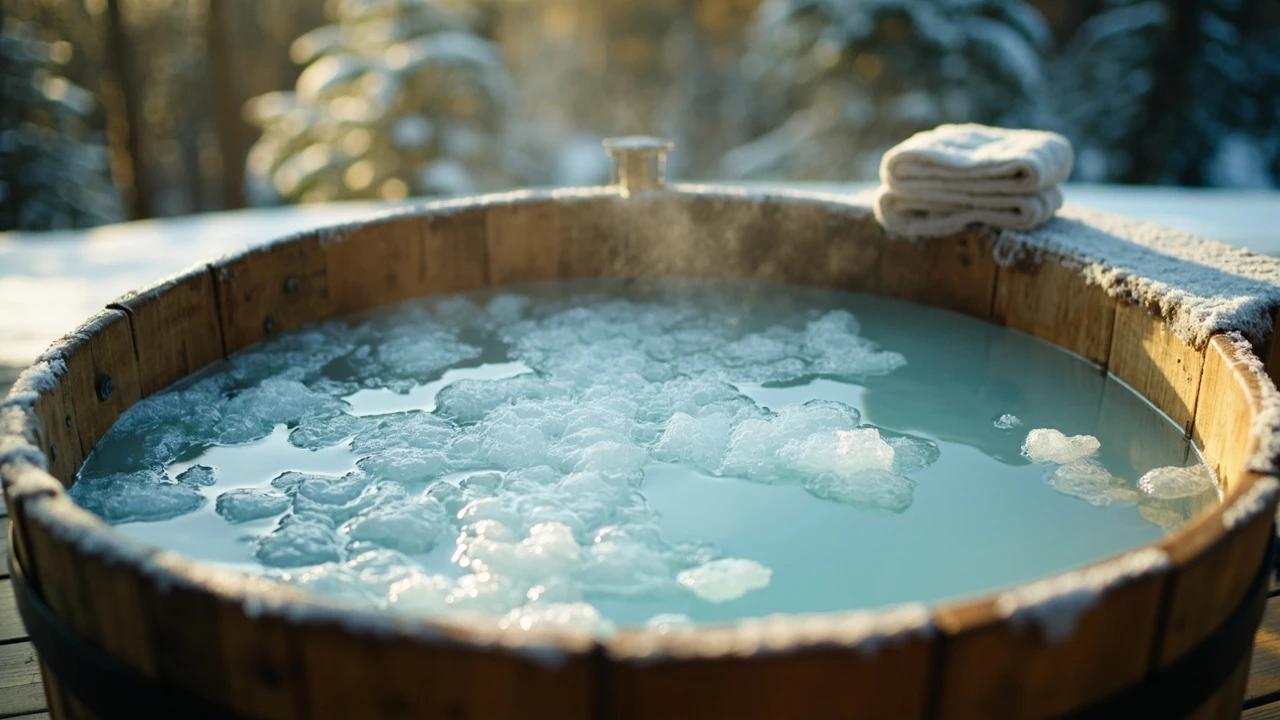
Cold water immersion — sitting in water cold enough to make you want to get out, roughly 10–15°C (50–59°F) — triggers a cascade of physiological responses. The research is strongest for muscle recovery and sleep, more nuanced for mood, and genuinely interesting for metabolism. Let's separate the signal from the ice-bath hype.
How Does Cold Water Change Your Body?
The moment you hit cold water, your body launches a survival response. Blood vessels clamp down, heart rate and blood pressure spike, and you get an involuntary gasp — the "cold shock" response. Stay in, and your body shunts blood to your core to protect vital organs.
Underneath that acute stress, more useful adaptations kick in:
- A big catecholamine surge. Cold exposure sharply raises noradrenaline and dopamine. One frequently cited study found cold water immersion raised dopamine by roughly 250% and kept it elevated for hours — which helps explain the lingering clear-headed, good-mood feeling people chase.
- Brown-fat activation. Cold recruits brown adipose tissue, the metabolically active fat that burns energy to make heat. Research from cold-exposure scientists suggests regular exposure may improve insulin sensitivity and metabolic health.
- Hormesis. Like sauna heat, cold is a controlled stressor that trains your body to handle stress better — the same principle that makes exercise strengthening rather than damaging.
Does Cold Plunging Help Muscle Soreness?
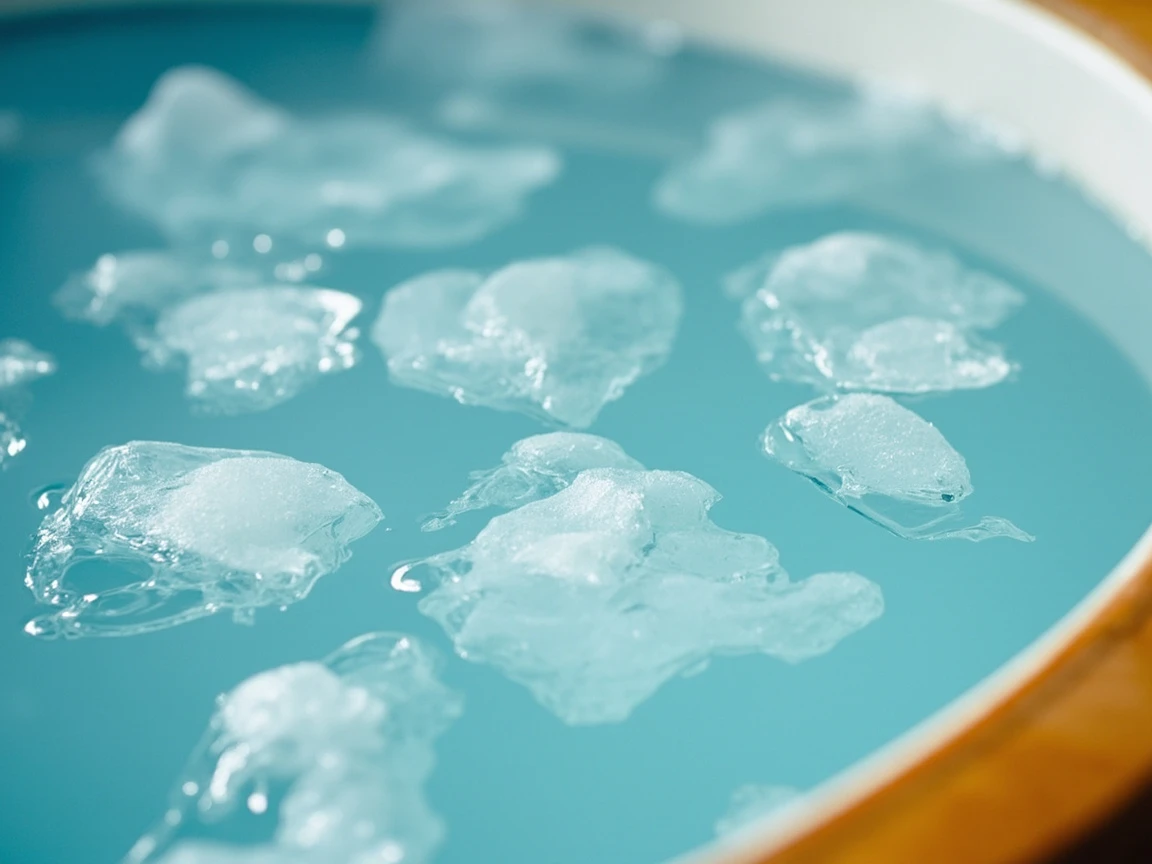
This is where cold water earns its reputation. Multiple meta-analyses show cold water immersion meaningfully reduces delayed-onset muscle soreness (DOMS) and lowers markers of muscle damage like creatine kinase after hard training. If you've done a brutal session and just need to feel and move better tomorrow, a cold plunge genuinely helps.
It pairs naturally with the other pillars of smart recovery — but with one crucial caveat that comes next.
Does Cold Plunging Blunt Muscle Growth?
Here's the trade-off the hype skips: the same cold-induced damping of inflammation that eases soreness can also blunt muscle growth. Studies show that cold water immersion done immediately after resistance training reduces the muscle-building signaling that drives hypertrophy and long-term strength gains.
If your goal is building muscle or strength, don't cold plunge right after lifting. Separate the cold from the workout by several hours, or save plunges for rest and cardio days. For pure recovery — during a competition or a heavy block where feeling fresh matters more than growth — the trade-off can be worth it.
This is the single most practical, evidence-based rule for anyone lifting weights, and it flips the old "always ice after training" advice on its head. It's also why cold plunging fits better on days you're prioritizing general fitness than on dedicated muscle-building days.
Does Cold Plunging Improve Mood and Focus?
The mental-health claims are where evidence and enthusiasm diverge. That dopamine and noradrenaline surge produces a real, reliable post-plunge mood lift and sense of alertness — most people feel it. But the 2025 meta-analysis found that measurable improvements in mood did not reach statistical significance across studies, even though sleep quality and overall quality of life did improve.
There's also a compelling psychological angle: voluntarily doing something hard and uncomfortable first thing in the morning builds a sense of control and stress tolerance that can carry into the rest of your day. That maps onto what we know about training your stress response. Treat the mood boost as a real short-term perk and a promising-but-unproven long-term one — not a replacement for evidence-based mental-health care.
Cold Plunge vs Sauna: Should You Do Both?
Cold and heat are not competitors — they're complementary tools, and many people combine them in "contrast therapy," alternating hot and cold. The sauna's cardiovascular and longevity evidence is actually deeper than cold's, while cold wins for acute recovery and the dopamine-driven alertness.
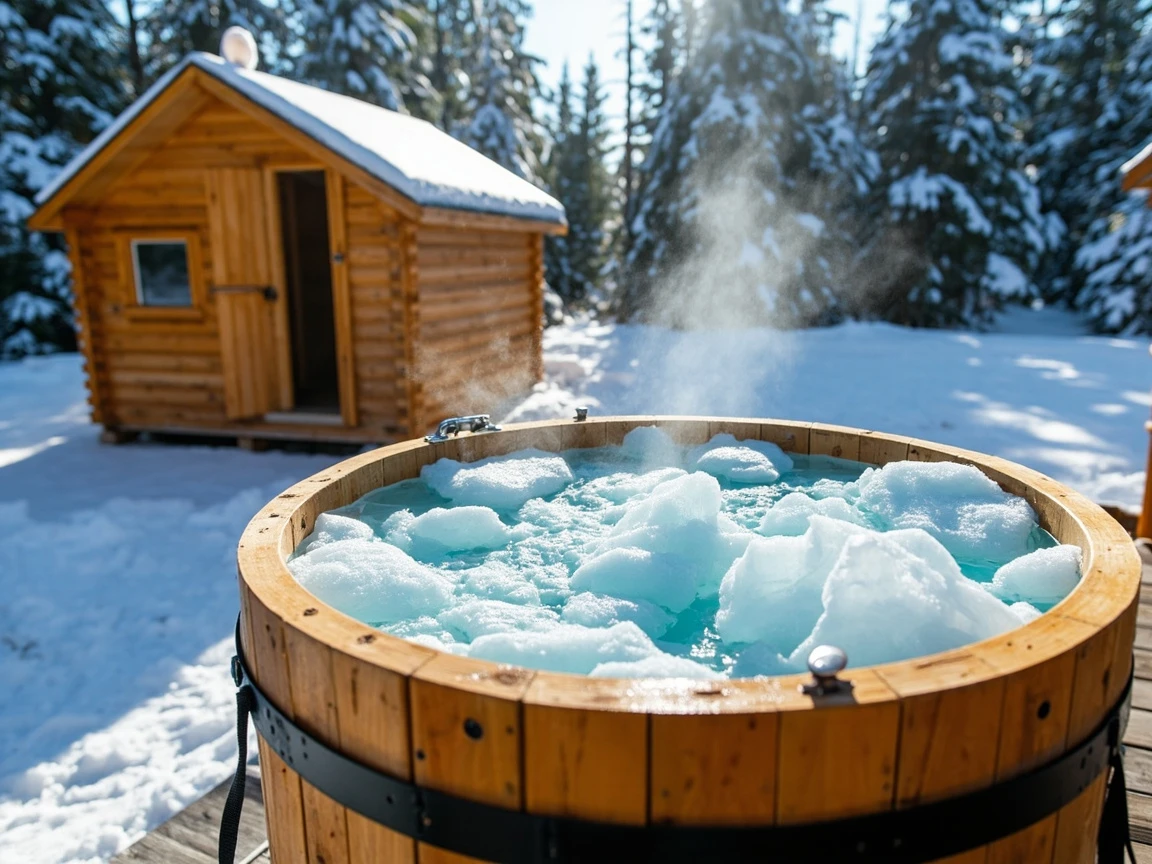
A common ritual is to finish a sauna session with a cold plunge. One evidence-based nuance: if you're chasing the metabolic, brown-fat benefits of cold, some researchers suggest ending on cold and letting your body rewarm on its own rather than jumping straight back into heat. If you just want to feel great and recover, the order matters far less than doing it consistently.
How Cold and How Long Should You Plunge?
You need far less than you'd think. The protocol popularized from cold-exposure research is refreshingly minimal:
- Temperature: cold enough that you want to get out but can stay in safely — roughly 10–15°C (50–59°F). Colder isn't better; it just shortens the time you can tolerate.
- Time: a total of about 11 minutes per week of deliberate cold exposure appears to be enough to capture the benefits — not per session, per week.
- Frequency: split that across 2–4 sessions of 1–5 minutes each.
- Breathe and stay calm. Control the initial gasp with slow breathing; the first 30 seconds are the hardest.
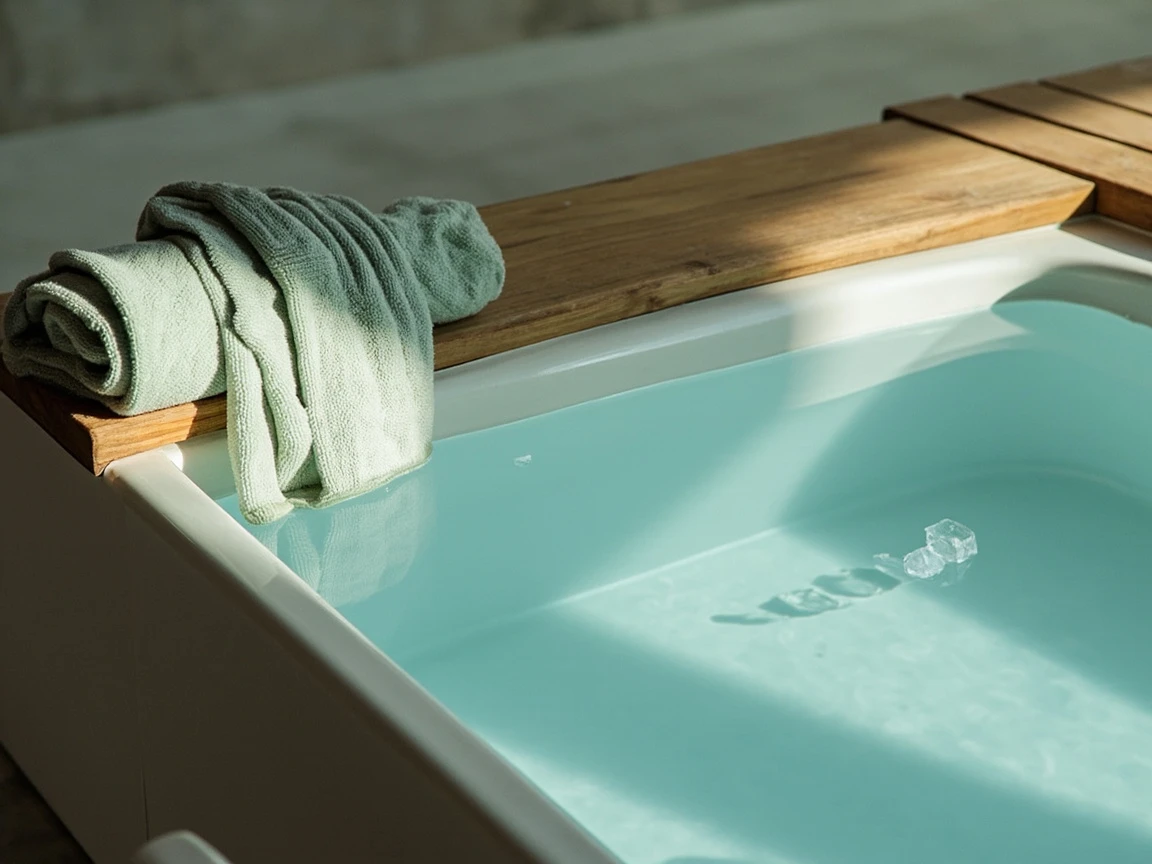
Morning is a popular time because the alertness boost is useful then and it's less likely to interfere with sleep. Avoid intense cold too close to bed, since the goal at night is to cool down and wind down, not spike adrenaline.
Is Cold Plunging Safe? Who Should Be Cautious
Cold plunging is a real cardiovascular stressor, and the cold-shock response can be dangerous.
- Heart conditions: the sudden spike in heart rate and blood pressure can be risky if you have cardiovascular disease, high blood pressure, or an arrhythmia — get medical clearance first.
- Never plunge alone in open water. The gasp reflex and cold incapacitation are a genuine drowning risk. Use a controlled tub, and have someone nearby when you're starting out.
- Pregnancy and Raynaud's: check with your doctor before starting.
- Ease in. Begin with cold showers or shorter, less-cold sessions and build tolerance rather than jumping into ice water on day one.
- Rewarm gradually. Your core temperature can keep falling for several minutes after you get out — the "afterdrop." Dry off, add warm layers, and move around to rewarm naturally rather than jumping straight into a scalding shower, which can stress your circulation.
How Do You Cold Plunge at Home?
You don't need a five-figure chiller unit. Options run from a simple stock-tank tub with bags of ice, up to dedicated cold plunges with built-in cooling and filtration. Even a consistently cold shower delivers a meaningful dose of the stimulus. The benefits come from the exposure, not the equipment.
Whatever you use, the winning formula is the same: cold enough to be uncomfortable, brief, a few times a week, done consistently, and — if you lift — kept away from your strength sessions.
One sourcing note: the 100-gallon farm stock tank that the DIY cold-plunge scene is built on rarely surfaces on Amazon right now — searches return the 50-gallon size and covers for the 100 — so a farm-supply store is the reliable place to buy one.
How we chose these picks: selections are based on published specifications — chiller capacity and the temperature it can hold, insulation, filtration, and the space and power each setup needs. We do not physically test them, accept free products, or publish star ratings we cannot verify. Affiliate commission never determines what is recommended. Read our full methodology.
- Foldable insulated tub that packs away between sessions
- Works on a balcony or in a bathroom — no yard needed
- The cheapest way to trial the 11-minutes-per-week protocol
As an Amazon Associate, we earn from qualifying purchases.
- Cools to 37F and holds it — Plunge rates the 0.75 HP chiller to maintain 37F in 120F ambient air, which is the specification that matters in a garage in August
- 105-gallon tub, 76.75" L x 31.5" W x 28.75" H, running on an ordinary 15A 120V circuit through a built-in GFCI cord
- Ozone sanitation with double filtration, so water is maintained between sessions rather than drained. One-year warranty
Sold direct by Plunge
- 1 HP compressor rated at 2,600 W of cooling, reaching 36F and taking 110 gallons from 80F down to 40F in about eight hours
- Connects to any tub through standard inlet and outlet hoses, with a 20-micron inline filter. 16.5" x 13.8" x 18.9", 73 lb, on caster wheels
- Two-year usability guarantee — a fraction of the cost of a self-contained unit if you already own the barrel
Sold direct by Plunge Chill
The Bottom Line
Cold plunge benefits are real but specific: strong evidence for easing muscle soreness and supporting sleep and quality of life, a reliable short-term mood and alertness boost, and promising metabolic effects. The mood-and-longevity claims outrun the current data, and if you're building muscle, timing matters — keep cold away from your lifting. Used sensibly, a few minutes of cold a week is a cheap, evidence-backed tool. Just respect the cardiovascular risk and skip the polar-plunge heroics.
Cold Plunge FAQ
How long should you stay in a cold plunge?
Short sessions of 1–5 minutes are plenty, totaling around 11 minutes per week across 2–4 sessions. Longer isn't better and increases risk; once you're past the initial cold shock and breathing calmly, you've gotten most of the benefit.
What temperature should a cold plunge be?
Roughly 10–15°C (50–59°F) — cold enough that you genuinely want to get out but can stay in safely. Colder water shortens how long you can tolerate it without adding clear benefit, so there's no need to chase extreme temperatures.
Does a cold plunge help muscle recovery?
Yes — this is the strongest evidence. Cold water immersion reduces delayed-onset muscle soreness and markers of muscle damage. The catch: doing it immediately after resistance training can blunt muscle growth, so if building muscle is your goal, separate cold plunges from your lifting sessions.
Is a cold plunge better than a sauna?
They do different things. Cold excels at acute recovery and a dopamine-driven alertness boost; the sauna has deeper evidence for cardiovascular health and longevity. Many people alternate the two as contrast therapy, which is a reasonable way to get both.
Are cold plunges safe?
For most healthy people, brief controlled cold plunges are safe, but the cold-shock response spikes heart rate and blood pressure. Anyone with heart disease, high blood pressure, or an arrhythmia should get medical clearance first, and no one should plunge alone in open water because of the drowning risk.
When is the best time to cold plunge?
Morning is popular because the alertness and mood lift are useful early and won't disrupt sleep. Avoid intense cold close to bedtime, since spiking adrenaline works against the wind-down your body needs to fall asleep.
References
The benefit-by-benefit verdicts in this article — including the finding that mood did not reach significance — come from the 2025 meta-analysis it cites:

Founder & Editor
Xiujun Ma is the founder and editor of Home Wellness Science, where he researches and edits evidence-based guides on sleep, nutrition, supplements, air and water quality, fitness, and the home environment. His focus is translating peer-reviewed research into practical, no-hype guidance.
Related Articles