Red Light Therapy Benefits: What the Evidence Shows
Disclosure: This article may contain affiliate links. We may earn a small commission at no extra cost to you. This helps support our work in providing evidence-based wellness content.
What Are the Proven Benefits of Red Light Therapy?
Red light therapy has jumped from dermatology clinics and physio tables into home gadgets, face masks, and full-body panels — with claims to smooth wrinkles, ease pain, regrow hair, and boost recovery. So which red light therapy benefits are backed by real research, and which are marketing? The honest picture: the science is genuinely solid for skin and pain, promising for hair, and badly undermined by a flood of underpowered consumer devices that can't deliver an effective dose.
Red light therapy — known in the research literature as photobiomodulation (PBM) — uses specific wavelengths of red and near-infrared light to stimulate cells. Unlike a sauna or a tanning bed, it produces no meaningful heat and no UV. Here's what it does, where the evidence is strong, and how to avoid wasting money on a device that does nothing.
How Does Red Light Therapy Work?
The mechanism is surprisingly well understood. Red (roughly 630–660 nm) and near-infrared (roughly 810–850 nm) light penetrate the skin and are absorbed by cytochrome c oxidase, an enzyme in your cells' mitochondria — the tiny power plants that make energy.
That absorption nudges the mitochondria to produce more ATP, the cell's energy currency, while reducing oxidative stress and calming inflammation. More cellular energy and less inflammation is the throughline behind nearly every claimed benefit, from faster skin repair to reduced pain.
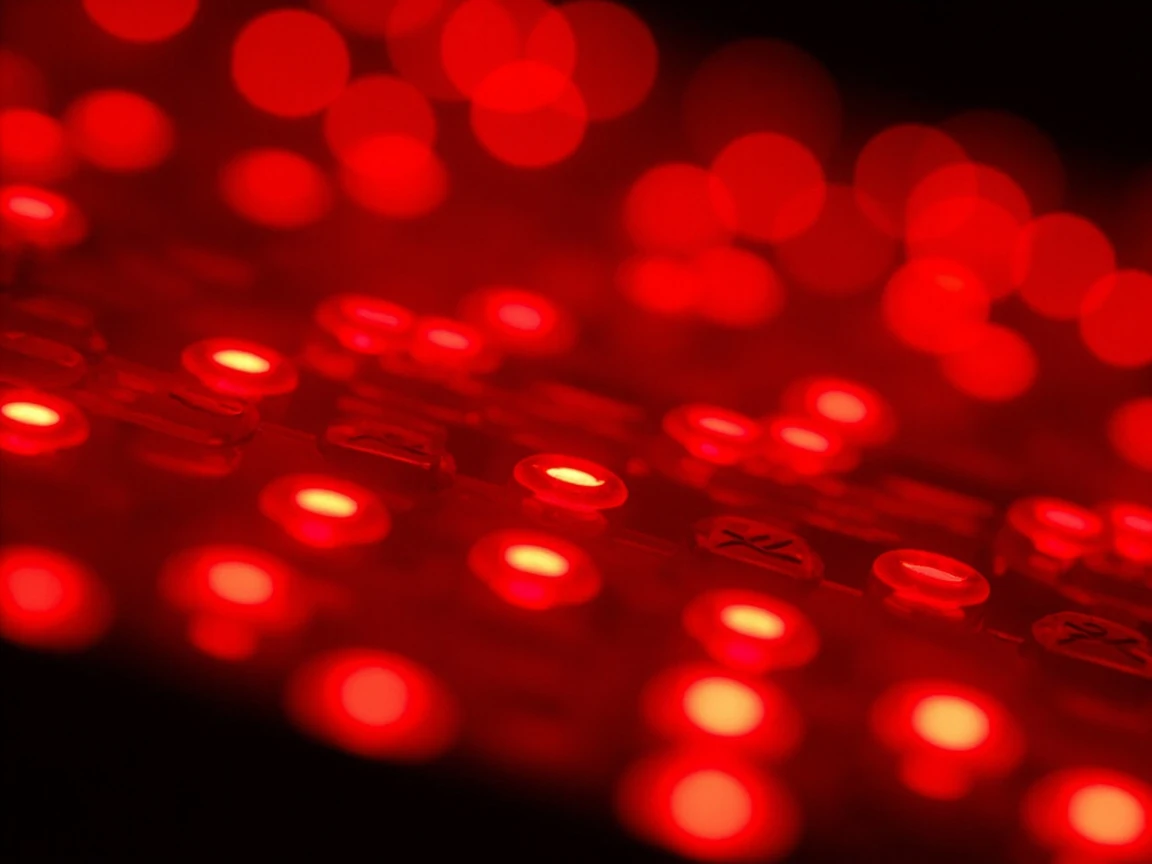
Two numbers matter: wavelength (which determines how deep the light reaches) and dose, or fluence (how much energy actually hits the tissue). Get either wrong and nothing happens — which, as we'll see, is exactly the problem with many cheap devices.
Does Red Light Therapy Work for Skin?
Skin rejuvenation is where the consumer evidence is best. Because red light stimulates fibroblasts — the cells that produce collagen — it can measurably improve skin texture and reduce fine lines.
In one randomized controlled trial, photobiomodulation reduced the volume of wrinkles around the eyes by about 30%. Other controlled studies have shown roughly a 26% reduction in wrinkles after several weeks of consistent treatment, alongside improvements in skin elasticity and firmness.
This is genuinely promising, and unlike an oral supplement, the light is acting directly on the skin. That said, the effects are gradual and modest — think "smoother, firmer over months," not a facelift. For skin aging, red light works best as one tool alongside the dermatology staples with the deepest evidence: daily sunscreen and a retinoid. It's a complement to those, not a replacement.
Does Red Light Therapy Help with Pain and Recovery?
Red and near-infrared light have a solid track record for musculoskeletal pain. Systematic reviews of randomized trials find that photobiomodulation can reduce chronic pain and inflammation, likely by lowering inflammatory mediators like prostaglandins and cytokines and supporting tissue repair.
That mechanism is why athletes and physios use it for joint pain, tendon issues, and post-exercise soreness. It slots naturally alongside the other pillars of smart recovery — and, notably, near-infrared light penetrates deeper than red, which is why serious recovery devices include both wavelengths.
Does Red Light Therapy Regrow Hair?
Low-level laser and LED therapy for hair loss is one of the more established uses — several devices (caps, combs, and helmets) are FDA-cleared for androgenetic alopecia, the most common pattern of hair thinning. Studies show modest increases in hair density with consistent use over months.
The caveats are real: it works best early in hair loss, results are moderate rather than dramatic, and it demands months of near-daily consistency. It's a legitimate option, especially combined with proven treatments, but it isn't a miracle regrowth cure.
How Does Red Light Compare to Sauna and Cold Plunge?
Red light therapy is often lumped in with the "big three" home recovery modalities, but it works very differently. The sauna stresses your cardiovascular system with heat; a cold plunge triggers a cold-shock and dopamine response. Red light does neither — it delivers energy to cells with no thermal or shock stimulus at all.
That makes it the gentlest of the three and the easiest to overdo in terms of expectations. Heat and cold have decades of cardiovascular and recovery data; red light's strongest evidence is local and specific (skin, a treated joint, the scalp) rather than whole-body and systemic. Use it for what it's actually good at, and pair it with the modalities that cover the rest.
One clarification worth making: red light therapy is not the same as managing your everyday light exposure for sleep and energy. That circadian side of light is a separate lever, covered in our guide to home lighting for sleep, mood, and focus — related topic, entirely different mechanism.
How Do You Use Red Light Therapy Correctly?
If you use a device, a few parameters drive whether it works:
- Wavelength: look for red in the ~630–660 nm range and/or near-infrared in the ~810–850 nm range. NIR goes deeper (better for joints and muscle); red is ideal for skin.
- Distance: typically 6–18 inches from a panel — closer delivers a stronger dose, but follow the device's guidance, since panels vary enormously in power.
- Time: most protocols run 10–20 minutes per area, a few times per week. Consistency over weeks matters more than any single long session.
- Eye comfort: the light is bright; close your eyes or use the goggles provided, especially with high-power near-infrared.
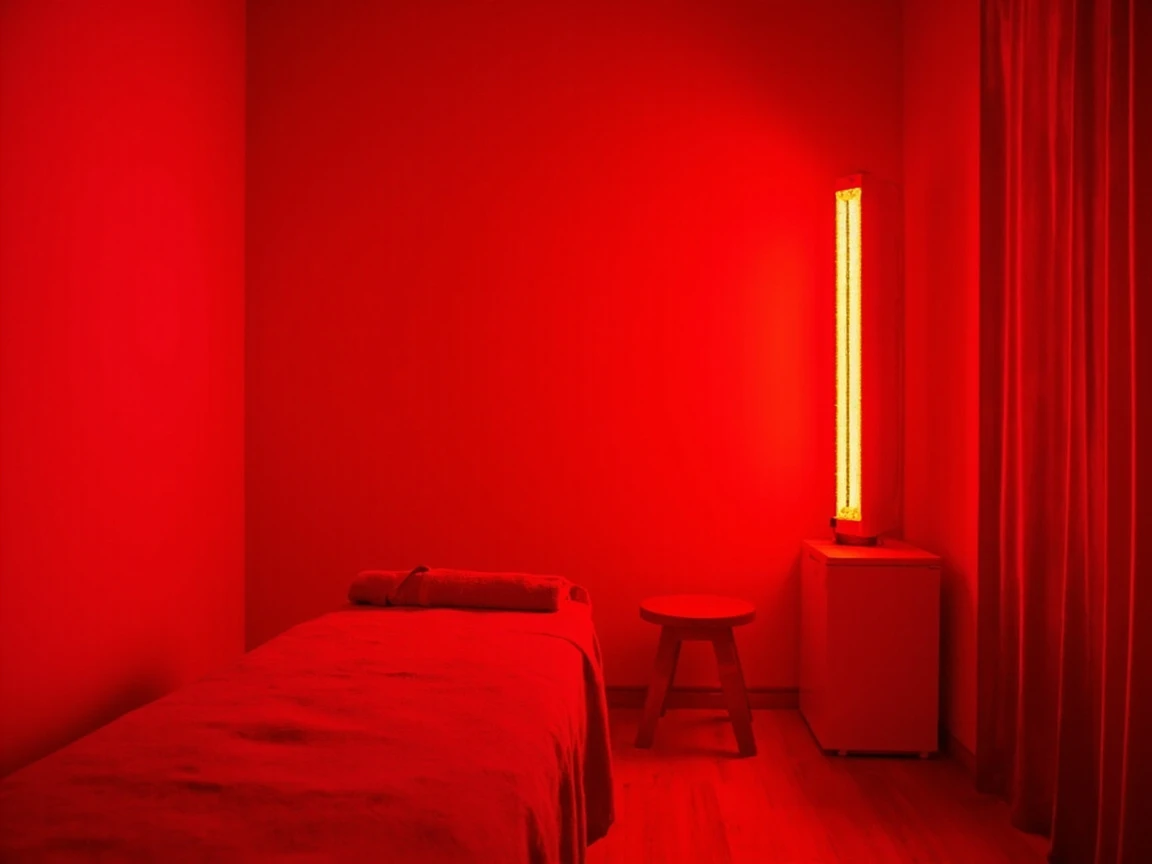
One counterintuitive rule: more is not better. Photobiomodulation follows a "biphasic" dose response — a moderate dose helps, while too much can cancel the benefit. Longer, closer, and more often is not a shortcut.
How Do You Spot a Bad Red Light Device?
This is the part the ads won't tell you, and it's the single biggest reason people conclude "red light therapy doesn't work." The consumer market is flooded with devices that are too weak, use the wrong wavelengths, or wildly overstate their power output.
A cheap LED mask or a low-power handheld may simply never deliver the dose used in the studies, so you get the aesthetic of a treatment without the effect. If you're going to buy, favor reputable brands that publish independently measured irradiance (the actual power reaching your skin) and the specific wavelengths, and be skeptical of vague "clinical-grade" marketing with no numbers. The research supports the therapy; it does not endorse every gadget with a red LED in it.
How we chose these picks: selections are based on published specifications — the wavelengths each panel emits, whether the manufacturer publishes irradiance with a stated distance and measurement method, panel size, and power draw; where an independent measurement disagrees with the published figure, we say so and name who measured it. We do not physically test them, accept free products, or publish star ratings we cannot verify. Affiliate commission never determines what is recommended. Read our full methodology.
- Combines 660 nm red and 850 nm near-infrared — the studied wavelengths
- A popular entry panel for face, joints, and targeted recovery
- Check published irradiance before buying any panel — dose is everything
As an Amazon Associate, we earn from qualifying purchases.
- 660 nm red and 850 nm near-infrared across 150 LEDs (76 red, 74 near-infrared), 36" x 8.75" x 2.34", up to 88 W output, two-year warranty and a 60-day return window
- Joovv publishes irradiance above 100 mW/cm2 at the surface. Independent spectrometer testing by Light Therapy Insiders measured roughly 72 mW/cm2 — a capable panel, but short of the published figure
- We have not put a spectrometer on any panel ourselves. Where a number is disputed we say so and name who measured it, rather than repeating the brochure
Sold direct by Joovv
Safety: Is Red Light Therapy Safe?
For most people, red light therapy has an excellent safety profile. It uses no UV, so it doesn't carry the skin-cancer risk of tanning, and a systematic review found it oncologically safe for skin rejuvenation. A few sensible cautions:
- Protect your eyes from direct, high-power near-infrared exposure — use the goggles that come with the device.
- Photosensitizing medications: if you take a drug that increases light sensitivity, or have a light-triggered condition, check with your doctor first.
- Skip damaged or suspicious skin: don't treat over undiagnosed lesions; see a dermatologist.
- Pregnancy: data is limited, so check with your provider before use.
The Bottom Line
Red light therapy benefits are real where the evidence is strongest — visibly smoother skin over months, reduced musculoskeletal pain, and modest hair regrowth — and overstated everywhere marketing runs ahead of the data. The therapy works; many of the devices don't. If you buy, choose one with verified wavelengths and irradiance, use it consistently at a sensible dose, and treat it as a targeted tool rather than a whole-body cure. Pair it with sunscreen and retinoids for skin, or with heat and cold for recovery, and you're using it the way the science actually supports.
Red Light Therapy FAQ
Does red light therapy actually work?
Yes, for specific uses. Controlled studies support it for reducing wrinkles and improving skin elasticity, easing musculoskeletal pain, and modestly improving hair density. The catch is dose: many consumer devices are too weak or use the wrong wavelengths to deliver the effect seen in studies.
What wavelength is best for red light therapy?
Red light around 630–660 nm is ideal for skin, while near-infrared around 810–850 nm penetrates deeper for joints and muscle. Many quality devices combine both. Wavelength and the actual power reaching your tissue matter more than any brand name.
How often should you use red light therapy?
Most protocols use 10–20 minutes per area a few times per week, from about 6–18 inches away. Consistency over weeks drives results — but more is not better, because photobiomodulation has a biphasic dose response where too much light cancels the benefit.
Is red light therapy safe?
For most people, yes. It uses no UV and a systematic review found it oncologically safe for skin rejuvenation. Protect your eyes from direct near-infrared, check with a doctor if you take photosensitizing medication or are pregnant, and don't treat undiagnosed skin lesions.
Can red light therapy help with pain?
Yes. Systematic reviews of randomized trials show photobiomodulation can reduce chronic musculoskeletal pain and inflammation, which is why it's used for joint and tendon issues and post-exercise soreness. Near-infrared wavelengths reach deeper tissue than red light.
Are cheap red light devices worth it?
Often not. Many inexpensive masks and handhelds are underpowered or use the wrong wavelengths, so they never reach an effective dose. If you buy, look for a device that publishes independently measured irradiance and specific wavelengths rather than vague "clinical-grade" claims.
References
The photobiomodulation evidence and mechanisms discussed here come from the following reviews:

Founder & Editor
Xiujun Ma is the founder and editor of Home Wellness Science, where he researches and edits evidence-based guides on sleep, nutrition, supplements, air and water quality, fitness, and the home environment. His focus is translating peer-reviewed research into practical, no-hype guidance.
Related Articles